When Kids Wake Up Early: Finding Peace in Chaos


When your child consistently wakes up too early, I understand how frustrating and exhausting it can be. From my experience, early rising often stems from factors like inconsistent bedtimes, morning light exposure, or reinforced behavior patterns. You can start tackling this challenge by tracking your child's natural sleep rhythms for a week and creating a sleep-friendly environment with blackout curtains and white noise. I've found that establishing clear boundaries around acceptable wake times, coupled with a consistent bedtime routine, makes a significant difference. There's so much more to discover about transforming those early morning challenges into peaceful moments.
Understanding Your Child's Sleep Patterns

Many parents are surprised to learn that children's sleep patterns differ significantly from adults. When I work with families struggling with early risers, I first help them understand that kids' sleep cycles run shorter than ours – typically 60-90 minutes compared to our 90-120 minute cycles. This means your child cycles through light sleep more frequently, making them more susceptible to waking up early.
I've found that tracking your child's natural sleep rhythms for a week can reveal their unique patterns. Pay attention to when they naturally get drowsy and when they tend to wake, regardless of your desired schedule. This data becomes invaluable in adjusting their bedtime and creating a sustainable routine.
The sleep environment plays a crucial role too. I recommend assessing factors like room temperature, light exposure, and ambient noise. Children are particularly sensitive to environmental changes, and maintaining consistency in these elements can help regulate their internal clock. Understanding these patterns isn't just about managing early wake-ups – it's about optimizing your child's overall sleep quality and creating harmony in your household's morning routine.
Common Triggers for Early Rising
Throughout my years as a sleep consultant, I've identified several key triggers that consistently cause children to wake up too early. The most common culprit I encounter is circadian rhythm disruptions caused by excessive evening light exposure, particularly from tablets, phones, and bright indoor lighting. When children's internal clocks get misaligned, their bodies naturally want to start the day at dawn.
An inconsistent bedtime is another major trigger I frequently observe. When parents vary bedtimes by more than 30 minutes, it confuses their child's natural sleep-wake cycle. I've found that environmental factors like morning light seeping through thin curtains or early bird sounds can also prompt premature awakening. Room temperature fluctuations during the early morning hours can disrupt sleep as well.
I've noticed that parental response patterns play a crucial role too. When children receive engaging attention during early wakings, they're more likely to continue the pattern. Similarly, hunger can be a powerful trigger, especially if dinner timing isn't optimized or if the evening meal isn't substantial enough to sustain them through the night.
Setting Up the Perfect Sleep
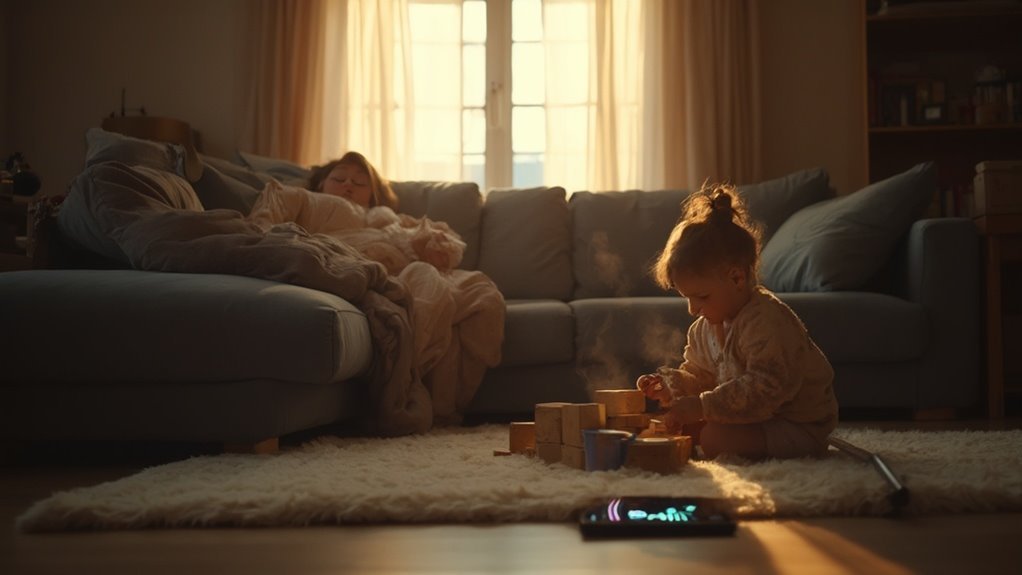
In my experience, creating the ideal sleep environment requires careful attention to several key elements. I've found that establishing a restful bedtime environment starts with controlling the room temperature, keeping it between 68-72°F, and eliminating disruptive light through blackout curtains. I also recommend using a white noise machine to mask sudden sounds that might wake your child.
I've discovered that maintaining a consistent nap schedule during the day directly impacts nighttime sleep quality. When I work with parents, I emphasize the importance of timing naps according to their child's age and natural sleep rhythms. For toddlers, I suggest scheduling the last nap to end at least four hours before bedtime.
To complete the perfect sleep setup, I focus on creating a calm atmosphere through gentle lighting and comfortable bedding. I've seen remarkable results when parents remove electronic devices and opt for soft, breathable pajamas made from natural fibers. Remember to keep the bedroom clutter-free and organized – a peaceful space promotes peaceful sleep. These adjustments might seem minor, but they work together to create an environment that supports quality rest.
Creating Boundaries and Expectations
Setting clear boundaries around sleep begins with establishing non-negotiable rules that both parents and children understand. I've found that implementing a quiet time schedule helps children grasp when it's appropriate to leave their rooms and start their day.
When my kids wake up early, they know they must stay in their beds until their "wake-up light" turns green, giving them a visual cue that it's okay to emerge.
I recommend creating a gradual wake up process that empowers children while respecting the household's needs. Rather than allowing immediate access to screens or high-energy activities, I establish a morning routine that starts with calm activities like reading or quiet play. This approach helps children understand that early rising doesn't mean instant entertainment or parent attention.
Managing Your Own Sleep Schedule

While establishing boundaries for children's sleep schedules matters, parents must prioritize their own rest to handle early morning wake-ups effectively. I've learned that creating a sustainable early bedtime schedule for myself is crucial – even if it means missing out on that extra episode of my favorite show. When I commit to sleeping by 9:30 PM, I'm better equipped to handle those 5 AM wake-up calls from my little ones.
I've discovered that implementing afternoon rest periods can be a game-changer. Even if I can't actually sleep during these breaks, I make it a point to lie down for 20 minutes while my kids have quiet time. This rejuvenation helps me maintain energy throughout the day and prevents that evening crash that often leads to poor sleep quality.
Adapting my schedule to match my children's natural rhythms has transformed my approach to early mornings. Instead of fighting against their internal clocks, I've learned to adjust my own. This means being strategic about when I tackle important tasks and ensuring I get enough sleep to maintain my patience and creativity during those dawn hours.
Building Morning Time Routines
Creating a consistent morning routine can transform chaotic early wake-ups into peaceful, productive moments. I've found that establishing consistency in your morning activities helps both you and your child transition smoothly into the day, even when it starts earlier than expected.
Start by utilizing calming activities that set a gentle tone. I recommend laying out quiet toys, books, or coloring supplies the night before, making them easily accessible when your little one wakes up. Create designated spaces for these morning activities – perhaps a cozy reading nook or a small table for crafts.
Structure your routine with clear steps: first quiet play, then breakfast, followed by getting dressed. This predictability helps children feel secure and gives them autonomy within boundaries. I suggest using visual schedules for younger kids, letting them see and participate in the sequence of events.
Remember to build in flexibility – some mornings might start 30 minutes earlier than others. The key isn't rigid timing but maintaining the same sequence of activities. This approach helps your child develop time-management skills while keeping the morning atmosphere calm and organized.


