Morning Rituals of Historical Figures

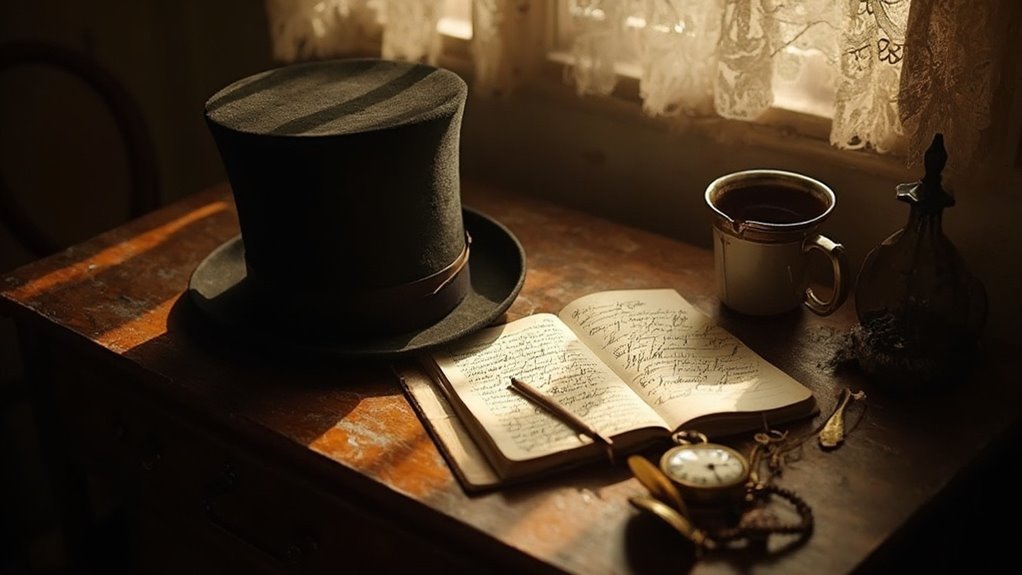
I've discovered that history's greatest minds shared a devotion to powerful morning routines. Benjamin Franklin rose at 5 AM for a 3-hour ritual of planning and self-improvement, while Mozart began composing at 6 AM, tackling his most challenging work first. Virginia Woolf wrote standing up from 9:30-11:30 AM at a tall desk, and Charles Darwin took his famous thinking walks along the Sandwalk path. These weren't just habits – they were the foundations of genius that sparked world-changing breakthroughs. Their morning practices hold secrets that could transform your own path to greatness.
Benjamin Franklin's Dawn Schedule

Benjamin Franklin's morning routine began at 5 AM sharp, when he'd rise from bed and immediately ask himself "What good shall I do this day?" After waking, he proceeded with a methodical three-hour ritual that included washing, journaling in his diary, and planning his daily schedule in meticulous detail.
He believed that early rising gave him a competitive advantage, famously declaring "early to bed and early to rise makes a man healthy, wealthy, and wise." His morning exercises weren't what we'd consider a modern workout – instead, he practiced "air baths," standing naked by an open window while reading or writing.
What's particularly relevant for today's innovators is how Franklin used these dawn hours for focused self-improvement. He'd review his 13 virtues, mark his progress, and plan strategic moves for his various ventures. I've discovered that his systematic approach to mornings created a foundation for his remarkable achievements in science, politics, and business – proving that a well-structured morning ritual can transform your entire day's productivity.
Mozart's Musical Mornings
Wolfgang Mozart's morning routine revolved around three distinct musical phases that began at 6 AM. I'll take you through his methodical approach to early morning composition, which shaped some of his most brilliant works.
During the first hour, Mozart focused on musical warm ups, practicing scales and finger exercises at his fortepiano. He believed this physical preparation was crucial for maintaining his legendary dexterity.
By 7 AM, he'd transition to reviewing his previous day's compositions, making subtle refinements while his mind was fresh.
The most creative phase began at 8 AM, when he'd start composing new material. I find it fascinating that he'd often write complete sections of symphonies and concertos during these morning sessions, rarely needing to revise them later. He'd work intensely until 10 AM, claiming these morning hours produced his clearest musical ideas.
What's particularly innovative about his approach was his insistence on composing the most challenging passages first, while his mind was sharpest. This strategic scheduling of his creative work became a template that many composers later adopted.
Virginia Woolf's Writing Practice

While many authors wrote in the evenings, Virginia Woolf adhered to a strict morning writing schedule that began at 9:30 AM sharp. I find it fascinating that her journal writing habits reveal she'd work until 11:30 AM, never deviating from this schedule unless absolutely necessary. She understood that consistency breeds creativity.
What's particularly innovative about Woolf's morning writing schedule was her insistence on writing while standing at a desk nearly three feet tall. I've learned that she believed this position kept her mind alert and focused, much like modern standing desk enthusiasts today. She'd write with a fountain pen, filling pages with her distinctive handwriting, and would often revise her work in the afternoons.
In her journals, Woolf described how morning writing provided her with the clearest thoughts and strongest creative impulses. She'd start by reviewing her previous day's work, then dive into new material. I've discovered that she maintained this routine even during her darkest periods, proving that disciplined creativity can anchor one's life. Her commitment to morning writing produced some of literature's most groundbreaking works.
Darwin's Daily Walk Routine
Gravel crunched beneath Charles Darwin's feet each morning as he took his daily constitutional along the Sandwalk, a tree-lined path he called his "thinking track." I've found that Darwin's dedication to this ritual was remarkable – he'd complete this quarter-mile loop up to five times daily, using the walks to contemplate his theories and maintain his health.
I've learned that Darwin's walking routine played such a vital role in his work that he continued it for almost forty years. Even when illness confined him indoors, he'd adapt by pacing in his greenhouse. This dedication to combining physical movement with intellectual pursuit helped shape his revolutionary theories, showing us how a simple daily walk can fuel extraordinary thinking.
What I find fascinating is how Darwin transformed this simple activity into crucial reflection time for developing his groundbreaking ideas. He'd carry a walking stick and kick small stones to mark each completed lap, allowing his mind to wander freely while maintaining his physical rhythm. The fresh air benefits weren't lost on him either – he believed the outdoor exercise helped manage his chronic health issues.
Early Hours of Great Minds

The early morning hours proved sacred for many brilliant minds throughout history. When I examine the lives of innovators, philosophers, and creators, I find a common thread in their productive morning routines. Benjamin Franklin rose at 5 AM to plan his day and engage in moral reflection, while Immanuel Kant started his day at 4:45 AM sharp to prepare lectures and write his groundbreaking philosophical works.
I'm particularly struck by how many great thinkers incorporated daily meditation practices into their dawn rituals. Marcus Aurelius spent his earliest hours writing self-reflections that would later become "Meditations," while Thomas Edison used the quiet of dawn for deep contemplation of his inventions. Even modern pioneers like Steve Jobs began each day with Zen meditation to sharpen his innovative thinking.
What fascinates me is that these figures didn't just wake up early – they created deliberate morning systems. From Ernest Hemingway's strict 6 AM writing schedule to Maya Angelou's hotel room work sessions at first light, they understood that morning clarity drives breakthrough thinking. Their routines weren't just habits; they were launching pads for genius.
Habits That Changed History
Several remarkable habits set these historical figures apart and shaped the trajectory of human achievement. I've discovered that their productive morning routines weren't just personal quirks – they were catalysts for world-changing innovations and breakthroughs.
Benjamin Franklin's early rising and moral reflection shaped America's entrepreneurial spirit, while Charles Darwin's methodical morning walks led to insights that revolutionized our understanding of evolution. I've found that these influential morning habits created ripple effects far beyond their time.
Leonardo da Vinci's practice of recording observations at dawn sparked countless inventions, while Marie Curie's pre-sunrise laboratory work laid the groundwork for modern radiation research. What fascinates me is how their deliberate morning practices amplified their genius.
These weren't just routines – they were transformative rituals that changed our world. When I examine Thomas Edison's habit of experimenting at first light or Virginia Woolf's dedication to writing at daybreak, I see how their morning discipline directly contributed to humanity's progress. Their habits remind me that profound change often begins in those first quiet hours of dawn.


