How Social Media Changed Breakfast ForeverMorning Light Photography: Capturing the Golden Hour

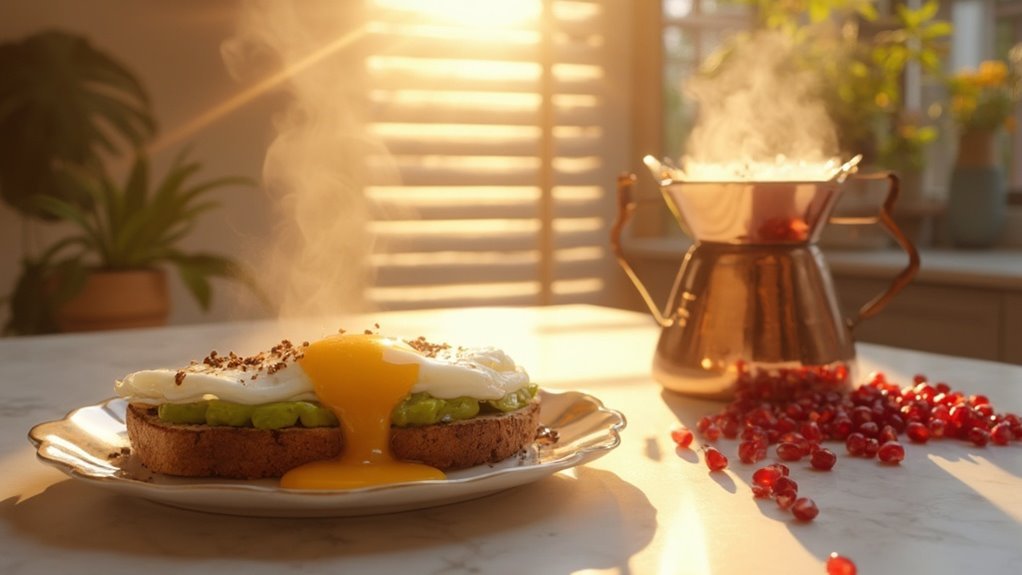
I've noticed how social media has revolutionized our morning meals, transforming everyday breakfast into an art form worthy of sharing with the world. The golden hours between 7-9 AM provide perfect natural lighting conditions for capturing those Instagram-worthy shots, while styling tools and techniques help create the perfect composition. Whether you're using a smartphone or professional camera, the key lies in mastering natural light, selecting complementary props, and developing a consistent aesthetic. What was once a private moment has evolved into a cultural phenomenon, and I'll show you how to master the essentials of breakfast photography.
The Rise of Breakfast Photography
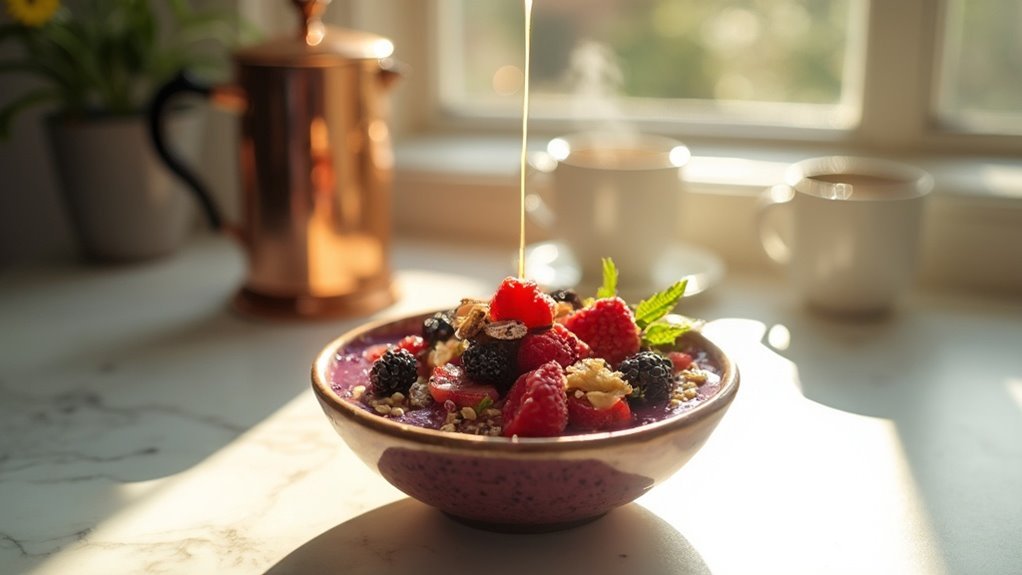
Snapping photos of breakfast has become a morning ritual for millions of social media users worldwide. I've watched this phenomenon transform ordinary meals into carefully curated visual experiences, where even a simple bowl of oatmeal becomes an artistic statement. What fascinates me most is how this shift has elevated breakfast from a private moment to a shared cultural experience.
When I analyze successful breakfast photography, I notice it's not just about the food. It's the candid breakfast moments – steam rising from coffee, sunlight catching the edge of a knife spread with jam, or the subtle interplay of textures between granola and yogurt. I've found that ambient breakfast backdrops play a crucial role, whether it's dappled morning light through kitchen windows or the rustic appeal of wooden tables.
The technical aspects matter too. I'm seeing photographers experiment with overhead shots, macro details, and precise styling techniques that weren't common five years ago. This evolution has created a new visual language for breakfast, where composition and timing are just as important as the meal itself.
Natural Light Styling Techniques
Those meticulously composed breakfast photos I mentioned wouldn't shine without mastering natural light, which has become the cornerstone of modern food photography. I've discovered that catching the perfect natural light direction is crucial – position your setup near a window, but not in direct sunlight, to avoid harsh shadows that can make your food look flat and unappetizing.
When I'm sharing morning styling tips with fellow photographers, I always emphasize the importance of timing. The golden hours between 7-9 AM provide that coveted soft, diffused light that makes pancakes gleam and coffee steam look ethereal. I've found that placing a white foam board opposite your light source reflects light back onto your subject, eliminating dark shadows and creating that sought-after balanced exposure.
For the best results, I position my table at a 45-degree angle to the window. This creates depth through subtle shadows while maintaining the food's natural texture. If you're dealing with too much light, I recommend using a sheer white curtain as a diffuser – it's an inexpensive way to achieve that professional, magazine-worthy glow.
Tools for Morning Food Shots
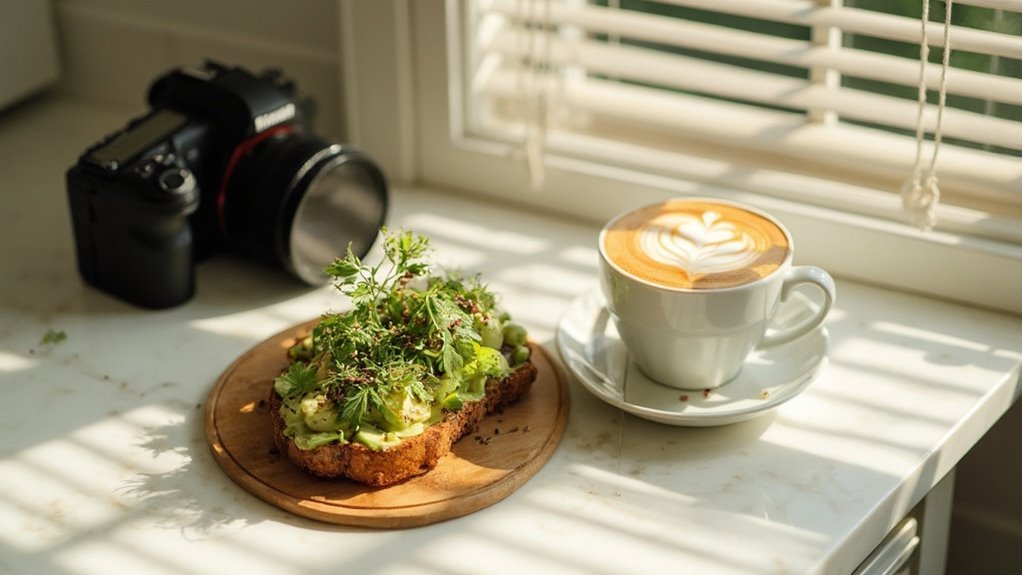
Creating stunning breakfast photos requires more than just a smartphone camera – you'll need a carefully curated toolkit. I recommend starting with a stable tripod for overhead shots, which is essential for proper positioning when capturing those perfect flat-lay breakfast scenes. I've found that a remote shutter release also helps eliminate camera shake, especially in low-light morning conditions.
For optimal results, I use a mix of artificial and natural light tools. A collapsible reflector bounces light onto shadowy areas, while a small LED panel helps fill in darker spots without overpowering natural daylight. When it comes to camera settings, I typically shoot in manual mode with a medium aperture (f/5.6 to f/8) to maintain sharpness across the entire spread.
Don't forget the styling tools – tweezers for precise food placement, microfiber cloths for cleaning surfaces and dishes, and a spray bottle with water for adding fresh-looking droplets. I also keep a selection of neutral-colored backgrounds and textured surfaces nearby. For post-processing, I rely on editing apps that maintain natural food colors while enhancing texture and contrast.
Phone to Professional Camera Evolution
While basic tools remain important, the most noticeable shift in breakfast photography has been from phone cameras to professional equipment. I've watched as fellow food photographers evolved from casual smartphone snapshots to sophisticated DSLR setups, marking a fascinating transformation in how we capture morning meals.
As your phone photography skills improve, you'll likely find yourself craving more control over your images. I recommend starting with learning manual settings on your smartphone before investing in professional gear. This foundation will help you understand concepts like aperture, shutter speed, and ISO, which become crucial when you upgrade.
Camera gear considerations should focus on versatility for food photography. I suggest beginning with a mid-range DSLR or mirrorless camera paired with a 50mm prime lens – perfect for those overhead breakfast shots. When you're ready to expand, consider adding a macro lens for detailed crumb textures and steam wisps. The key is selecting equipment that enhances your creative vision while remaining practical for your shooting environment, whether that's a sunny kitchen counter or a dimly lit coffee shop.
Building Your Instagram Breakfast Aesthetic
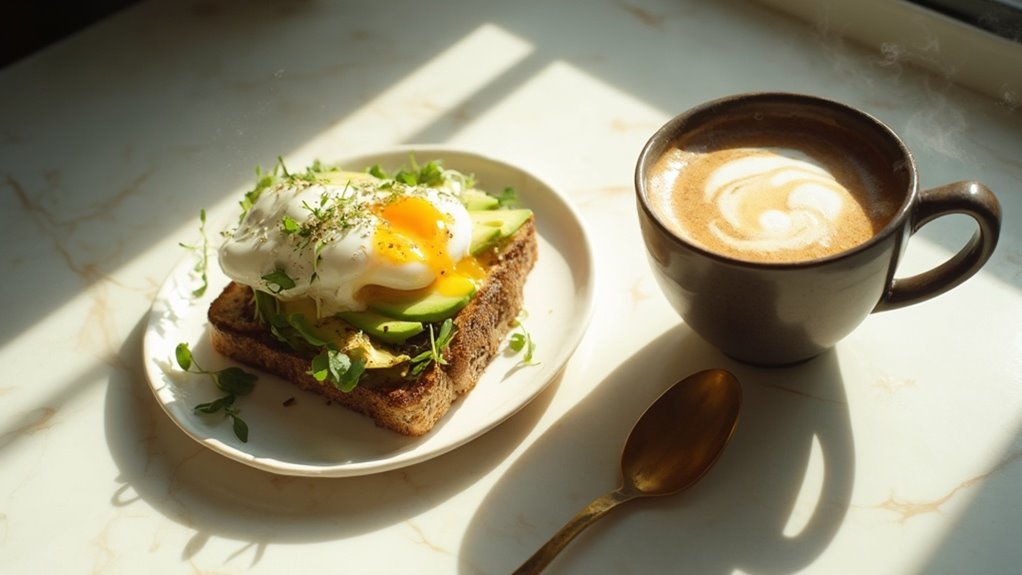
Every successful Instagram breakfast feed needs a cohesive visual identity to stand out. I've studied countless breakfast influencers and noticed they all share one crucial element: a distinctive aesthetic that instantly identifies their work.
To build yours, start by selecting a core color palette that reflects your personality and the mood you want to convey.
I recommend investing in aesthetic food props that complement your chosen style. Think vintage silverware, handcrafted ceramics, or minimalist plates – but stick to items that you'll actually use beyond photo sessions. I've found that mixing textures creates visual interest: combine smooth marble surfaces with rough linen napkins, or glossy fruits against matte dishware.
Lighting is your secret weapon. Position your setup near a window to capture natural light, but control harsh shadows with a white foam board as a reflector. Remember to maintain consistent editing techniques – whether you prefer bright and airy or moody and contrast-rich. Your signature style might take time to develop, but once you've nailed it, your followers will recognize your posts instantly in their feeds.
Monetizing Your Morning Posts
Once you've built a strong aesthetic and consistent following, turning your breakfast posts into a revenue stream becomes a natural next step. I've found that brands are eager to collaborate with content creators who demonstrate both artistic vision and solid engagement metrics.
Start by improving follower engagement through strategic hashtag usage and responding authentically to comments. I recommend creating a media kit that highlights your unique breakfast photography style and audience demographics. When approaching potential sponsors, focus on brands that align with your aesthetic – think artisanal coffee roasters, cookware companies, or organic food producers.
Optimizing post timing is crucial for maximizing sponsored content reach. I've discovered that breakfast content performs best when posted between 7-9 AM local time, when your audience is naturally thinking about their first meal. Consider offering brands various collaboration options, from simple product placement to full recipe development featuring their items. Don't forget to explore affiliate marketing opportunities with kitchen tools and specialty ingredients you genuinely use and love. Remember to maintain transparency with your followers by always disclosing sponsored content – it builds trust and leads to more sustainable partnerships.


