Teaching Kids About Morning Routines

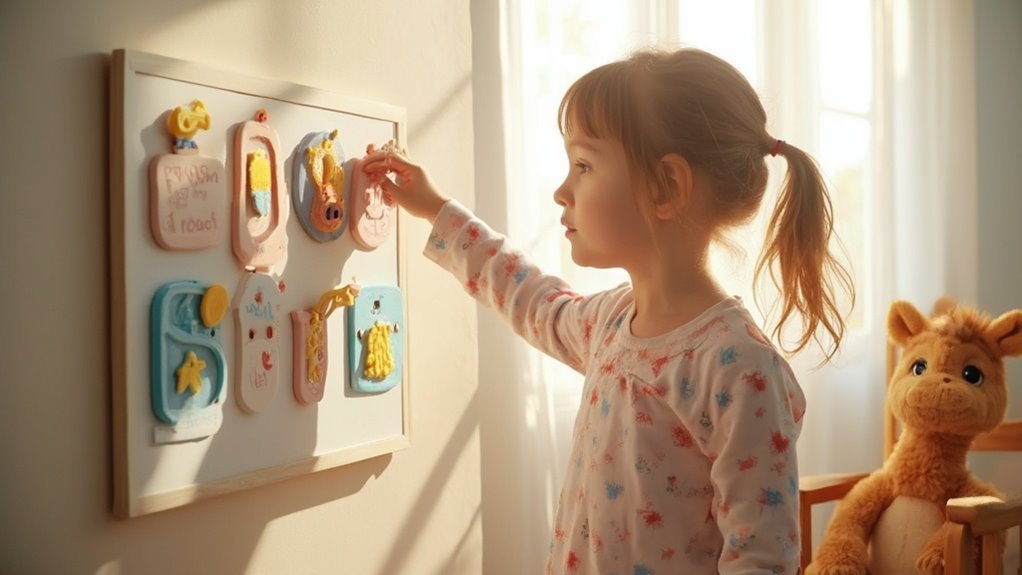
I'll help you establish effective morning routines for your kids that create lasting habits and smoother starts to each day. By implementing age-appropriate tasks, using visual schedules, and making mornings fun with music and games, you'll transform chaotic mornings into structured, stress-free experiences. Start with simple tasks like personal hygiene for preschoolers and gradually build up to independent responsibilities for older children. While challenges like rushing and technology distractions are common, consistent routines paired with positive reinforcement will help your children develop independence and time management skills. Let me show you how to make this transformation in your home.
Benefits of Morning Routines
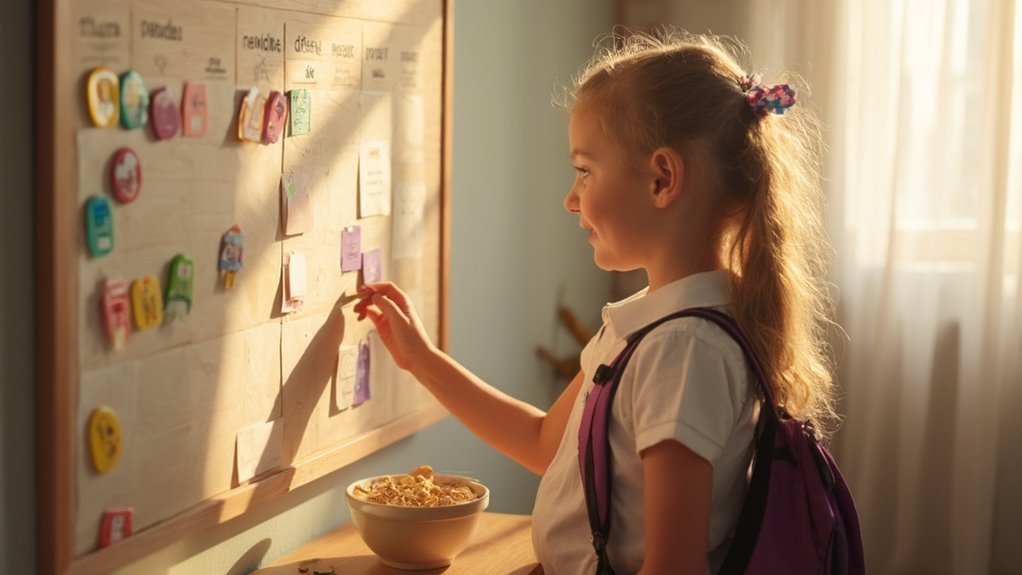
Establishing morning routines for children creates lasting positive effects that extend far beyond the early hours. When I help parents implement these routines, I consistently see how it establishes structure in their kids' lives, making the transition from home to school smoother and more predictable. A well-planned morning routine promotes organization skills that children carry into their academic and personal lives.
I've found that children who follow morning routines show improved time management abilities and reduced anxiety levels. They learn to break down complex tasks into manageable steps, whether it's making their bed, getting dressed, or preparing their backpack. This systematic approach helps them develop independence and confidence in their abilities.
The benefits ripple throughout the day. When children start their mornings organized and prepared, they're more likely to maintain focus during school hours and participate actively in learning. I've observed that these routines also lead to better sleep habits, as children understand when their day begins and ends. Most importantly, structured mornings reduce family stress and create opportunities for meaningful parent-child connections before the day unfolds.
Age-Appropriate Morning Tasks
Selecting age-appropriate morning tasks is crucial for building your child's confidence and independence. I recommend starting with simple personal hygiene tasks for preschoolers, like brushing teeth and washing their face with assistance.
As they reach elementary age, I've found they can handle more complex routines, including getting dressed independently and making their bed.
For ages 7-10, I suggest introducing basic household chores into their morning routine. They can put away breakfast dishes, pack their school lunch, or feed pets. Pre-teens can manage time-sensitive tasks like setting their own alarm, choosing weather-appropriate clothing, and preparing simple breakfasts.
I've discovered that teenagers thrive when given full autonomy over their morning schedule, with the expectation they'll complete all necessary tasks before leaving for school. This includes advanced personal hygiene tasks, room organization, and contributing to household responsibilities like starting a load of laundry or emptying the dishwasher. Remember to adjust these expectations based on your child's individual development and capabilities, gradually increasing responsibility as they demonstrate mastery of simpler tasks.
Creating a Visual Schedule
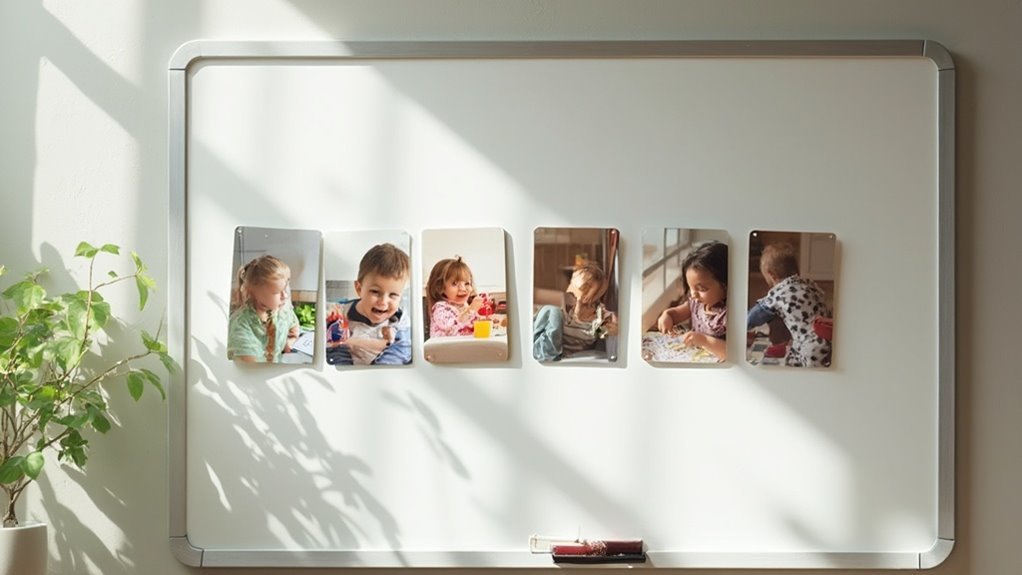
After identifying age-appropriate tasks, I've found that visual schedules help children master their morning routines. I create these schedules using simple drawings or photographs that depict each step, from waking up to heading out the door. By incorporating visual cues like pictures of teeth brushing, getting dressed, and eating breakfast, I enable children to independently track their progress.
I recommend laminating the schedule and mounting it at your child's eye level, preferably in their bedroom or bathroom. This placement ensures they'll see it first thing in the morning. You can use velcro dots or a dry-erase marker to check off completed tasks, making the process interactive and engaging.
To maintain routine consistency, I suggest reviewing the schedule with your child each evening, preparing them for the next morning. I've discovered that when children participate in creating their visual schedule, they're more likely to follow it. Let them choose pictures, arrange the sequence, and even draw their own representations. This ownership transforms the morning routine from a series of parental commands into a self-guided journey of responsibility and accomplishment.
Common Morning Routine Challenges
Parents face several obstacles when implementing morning routines with their children. I've found that rushing to get out the door is one of the most stressful challenges, often leading to forgotten items and frayed nerves. When children dawdle over breakfast or can't find their shoes, it creates a domino effect that throws off the entire schedule.
Another significant hurdle I've noticed is establishing consistency, especially when dealing with multiple children at different developmental stages. What works for one child mightn't work for another, and maintaining a steady routine can become complicated when factoring in varying wake-up times and individual needs.
Technology distractions pose a modern challenge, as children might sneak peeks at tablets or TV shows instead of getting ready. I've also observed that transitions between tasks can be particularly difficult for younger children who struggle with time management. Weather changes, seasonal adjustments to daylight hours, and unexpected events like missing homework or last-minute project requirements can disrupt even the most well-planned routines. By identifying these challenges early, you'll be better equipped to develop strategies that work for your family's unique situation.
Making Mornings Fun
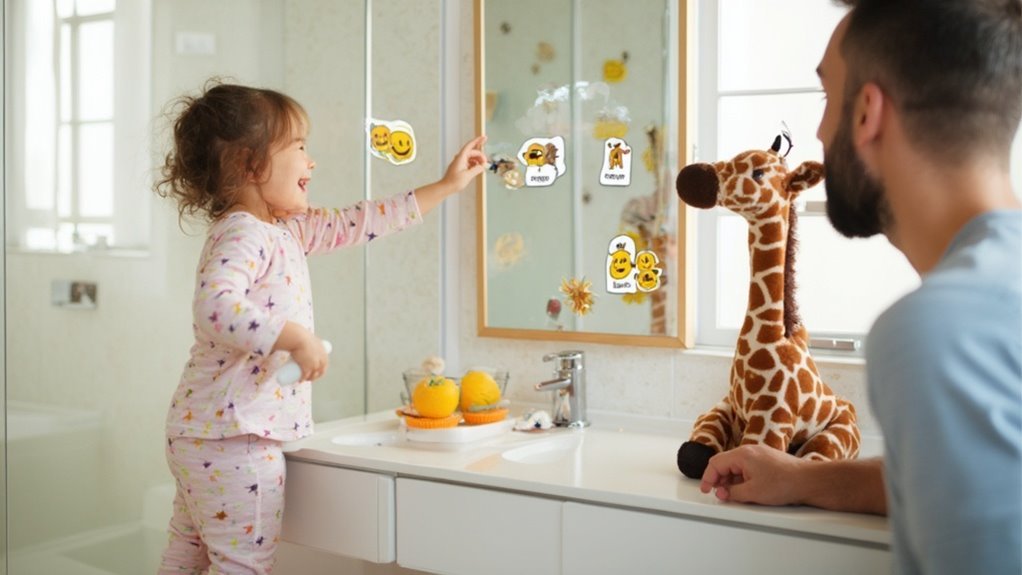
Through creative activities and playful approaches, mornings can transform from chaotic rushes into enjoyable family time. I've discovered that music-filled mornings create an upbeat atmosphere that gets everyone moving. I encourage you to create a special morning playlist with your kids, featuring their favorite songs that energize and motivate.
Turn routine tasks into playful morning activities by introducing games and challenges. I recommend setting up a "beat-the-clock" challenge where kids race to complete tasks before a timer runs out, or creating a reward chart where they earn stickers for completing each morning task independently. You can also establish themed morning days – like "Silly Sock Monday" or "Wacky Wednesday" – to add excitement to getting dressed.
I've found that incorporating movement-based activities works wonders. Try "morning stretch sessions" where everyone follows along to simple yoga poses, or create a "morning dance party" while brushing teeth. By making these moments fun, I've seen children become more engaged and cooperative. Remember to keep the energy positive and celebrate small victories – even something as simple as making the bed can become an adventure with the right attitude.


