How AI Is Changing Our Morning Routines

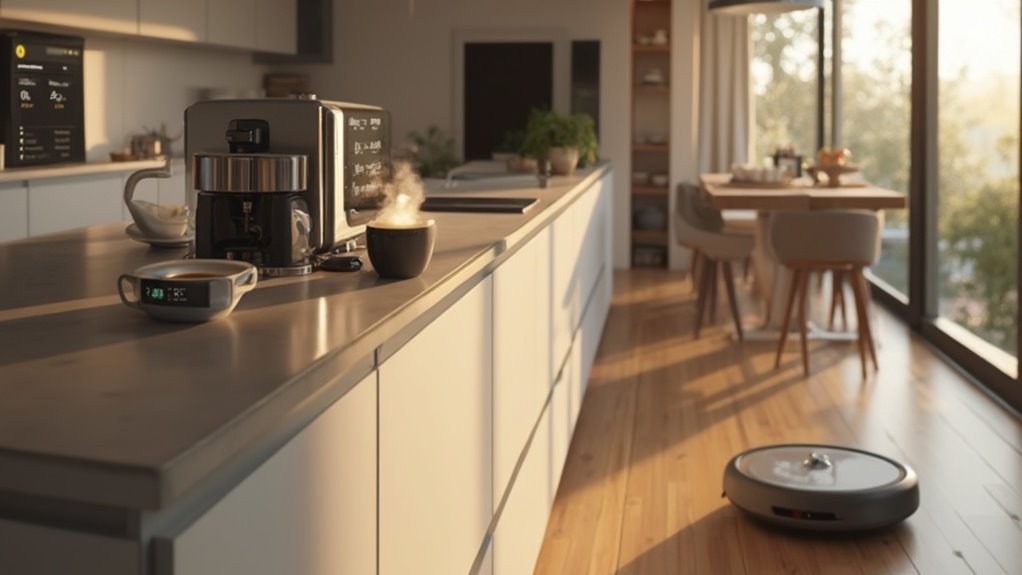
I'll show you how AI is transforming our morning routines into seamless, personalized experiences. From smart sleep trackers that wake you at the optimal time to AI-powered kitchen appliances that learn your breakfast preferences, artificial intelligence is revolutionizing how we start our day. Your virtual assistant can now suggest outfits based on weather and schedule, curate personalized news briefings, and optimize your commute in real-time. These AI technologies work together to create an efficient, automated morning flow that adapts to your habits and preferences. Let's explore how each of these innovations is making traditional morning routines smarter and more intuitive.
Smart Sleep Analysis and Waking

Sleep tracking devices powered by artificial intelligence have revolutionized how we start our days. I've found that these smart systems analyze everything from my heart rate and breathing patterns to my body temperature and movement throughout the night. This comprehensive data helps me understand my sleep cycles better than ever before.
What I love most is how AI uses this information to determine my optimal wake-up time. Instead of jarring me awake at an arbitrary hour, my smart alarm waits for the moment when I'm in my lightest sleep phase. The system also incorporates adaptive lighting schedules, gradually increasing room brightness to simulate a natural sunrise, which I've noticed helps me feel more refreshed and alert.
Through continuous monitoring, these AI systems excel at sleep pattern optimization. They learn my preferences and habits, suggesting personalized bedtime adjustments and environmental changes. When my sleep quality drops, the AI identifies potential causes – like room temperature or noise levels – and recommends specific improvements. I've seen remarkable improvements in my morning energy levels since letting AI guide my sleep routine.
AI-Powered Kitchen Appliances
Preparing breakfast has entered a new era with AI-powered kitchen appliances. I've seen how these smart devices are transforming the way we start our day, making morning meal preparation more efficient and personalized than ever before.
My favorite advancement is automated meal preparation systems that can learn your breakfast preferences and dietary needs. Imagine your coffee maker starting precisely when you wake up, or your smart toaster adjusting its settings based on the type of bread you're using. These devices don't just follow commands; they adapt to your habits and optimize their performance over time.
Voice controlled appliances have become game-changers in the kitchen. I can now instruct my smart refrigerator to check its contents, adjust my microwave settings, or start my blender without touching a single button. The integration between devices means I can coordinate multiple cooking tasks simultaneously, like having my smart oven preheat while my AI-enabled coffee machine brews my perfect cup. These innovations aren't just about convenience – they're about creating a more intuitive and efficient morning cooking experience that gives you more time to focus on what matters.
Personalized News and Weather Updates

Accessing news and weather information has evolved far beyond traditional morning broadcasts. I now rely on AI-driven platforms that curate my daily news briefings based on my interests, reading habits, and schedule. These systems learn from my interactions to deliver increasingly relevant personalized content recommendations, ensuring I don't waste time sifting through irrelevant stories.
What I find particularly impressive is how AI integrates weather data with my automated task scheduling. When my smart assistant detects rain in the forecast, it automatically adjusts my morning routine, suggesting an earlier departure time for my commute or rescheduling my morning jog. The system even cross-references my calendar to prioritize weather alerts that could impact my planned activities.
The AI's ability to connect multiple data sources means I receive context-aware updates. If I'm traveling, it automatically shifts to provide local news and weather for my destination. It'll even suggest wardrobe choices based on the day's forecast and my scheduled meetings. This level of personalization ensures I start each day informed and prepared, without spending extra time gathering this information myself.
Virtual Wardrobe Assistance
AI-powered wardrobe assistants have revolutionized how I select my daily outfits. Through advanced algorithms that analyze my clothing preferences, local weather, and upcoming calendar events, I'm able to make faster, smarter decisions about what to wear each morning. Voice controlled outfit suggestions make the process seamless – I can simply ask my AI assistant to recommend an ensemble while I'm brushing my teeth or making coffee.
What I find particularly game-changing is predictive wardrobe scheduling. My AI assistant tracks which clothes I wear most frequently, monitors my laundry cycles, and even suggests when it's time to rotate seasonal items. It learns from my feedback, understanding which combinations I prefer for different occasions, and factors in everything from the day's activities to expected temperature changes.
The technology also helps me identify gaps in my wardrobe, tracks clothing maintenance needs, and even suggests new pieces that would complement my existing collection. When I'm rushing to get ready for an important meeting or social event, having an AI assistant that understands my style and schedule has become invaluable to my morning routine.
Intelligent Traffic and Commute Planning
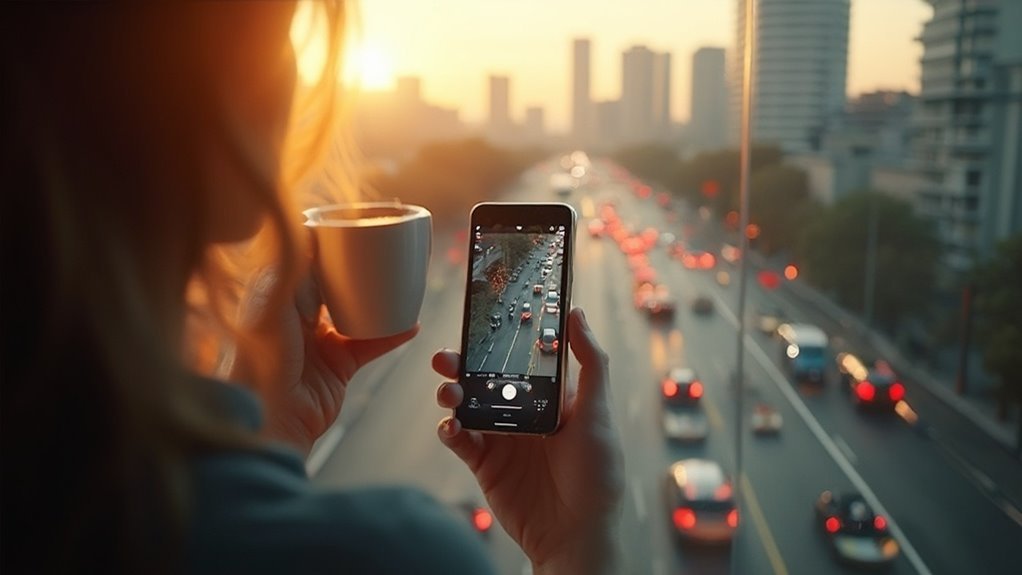
Modern traffic management systems have transformed my daily commute planning from guesswork into a precise science. Through AI-powered navigation apps, I can now predict my arrival time within minutes, even during unpredictable rush hours. The technology continuously analyzes traffic patterns, road conditions, and historical data to suggest the optimal route for my journey.
What I find most impressive is the dynamic route optimization that adapts to changing conditions in real-time. If there's an accident or unexpected congestion ahead, my AI assistant immediately calculates alternative routes before I'm caught in traffic. I receive real-time congestion alerts that help me make informed decisions about when to leave and which path to take.
The system even learns my preferences over time, suggesting departure times based on my calendar appointments and typical driving habits. It factors in weather conditions, road work, and local events that might impact my commute. By integrating with smart city infrastructure, these AI tools help me avoid bottlenecks and reduce my commute time significantly. It's like having a personal traffic expert who's constantly monitoring every possible variable to ensure I get to my destination efficiently.


