Morning Markets: A Global Journey

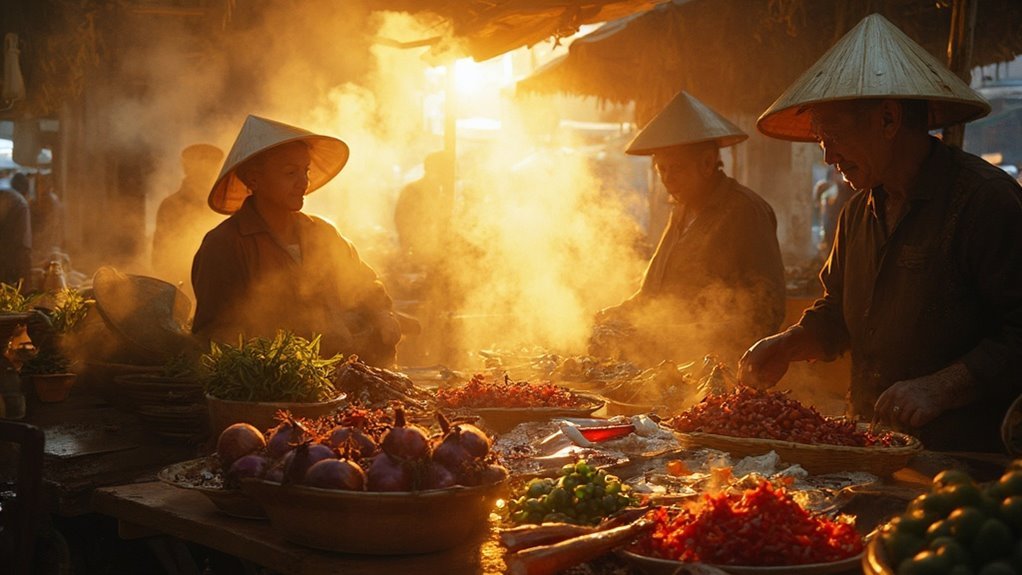
I've discovered that morning markets around the world offer an incredible window into local cultures before most people start their day. From Bangkok's floating markets to Istanbul's bustling bazaars, each destination tells its own story through unique vendor rituals, traditional foods, and social customs. What fascinates me most is how these ancient trading spaces are adapting to modern times – you'll find social media-savvy vendors in the Grand Bazaar and live-streaming auctions in Tokyo's Tsukiji. Yet they've managed to preserve their authentic charm and time-honored traditions. There's a whole world of pre-dawn commerce waiting to reveal its secrets.
The Art of Pre-Dawn Trade

In the quiet hours before sunrise, global markets spring to life as traders position themselves for the day ahead. I've learned that these pre-dawn moments offer unique pre market opportunities that many investors overlook. It's when Asian markets are closing, European exchanges are awakening, and U.S. futures begin their dance.
The early morning market often moves on different dynamics than regular trading hours. You'll notice thinner volume, wider spreads, and sometimes erratic price action. I focus on scanning for gaps, analyzing overseas market movements, and identifying potential market-moving news. When you master pre-dawn trading, you'll gain a significant edge by being positioned before the majority of traders even wake up. It's about being proactive rather than reactive, and that's where the real advantage lies.
Your trader mindset preparation needs to start the night before. I recommend reviewing your watchlist, setting your key price levels, and understanding the overnight catalysts that could impact your positions. I've found that successful pre-dawn traders develop a systematic approach – they're not just randomly jumping into trades.
Markets Through Cultural Lenses
Trading across global markets requires understanding far more than just price action and technical analysis. I've learned that each market tells a unique cultural story, shaped by local traditions, values, and social dynamics that influence trading patterns in profound ways.
When I analyze Asian markets, I'm witnessing how shifting consumer preferences reshape entire sectors, from traditional wet markets embracing digital payments to luxury brands adapting their strategies for younger demographics. These cultural nuances affect everything from trading hours to market reactions during local holidays and festivals.
I've noticed how evolving vendor strategies reflect deeper cultural transformations. In European markets, sustainability concerns drive trading behavior differently than in emerging markets, where rapid urbanization creates distinct opportunities. What works in New York might fall flat in Tokyo, and success in Mumbai doesn't guarantee the same in London.
Understanding these cultural contexts gives me a competitive edge. It's not enough to read charts and follow news feeds – I need to grasp how local beliefs, customs, and social changes influence market sentiment. This cultural intelligence often makes the difference between spotting a genuine trend and chasing a misleading signal.
Morning Market Specialties Worldwide
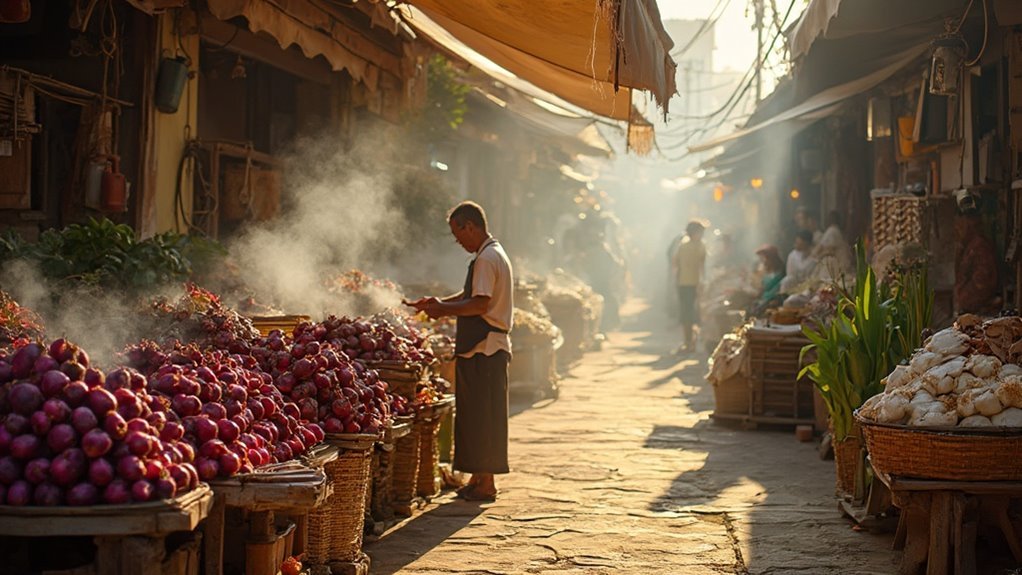
Around the world, morning markets showcase distinct specialties that define local commerce and culture. I've discovered that each region's market reveals unique patterns in how communities start their day through trade and social connection.
In Asia's markets, I find vendors arranging seasonal produce offerings before dawn – from Thailand's ripe mangoes to Japan's fresh-caught fish. What fascinates me is how artisanal food vendors adapt ancient recipes for modern tastes, whether it's traditional dim sum in Hong Kong or steaming bowls of pho in Vietnam.
European morning markets tell a different story. I've watched French bakers arrange still-warm baguettes while Italian vendors carefully display their aged cheeses and cured meats. Each market reflects centuries of culinary evolution while embracing contemporary food trends.
In Latin America, I've experienced how morning markets transform into vibrant social hubs. Fresh tortillas, local coffee beans, and tropical fruits create a sensory experience that's both timeless and dynamic. What's remarkable is how these markets balance preservation of cultural heritage with innovation in food preparation and presentation.
Local Customs and Social Rituals
Beyond the vibrant displays of morning market goods, I've noticed how each region's social customs weave through the marketplace like an invisible thread. From the way vendors bow in Japanese markets to the animated price negotiations in Moroccan souks, these rituals define each market's unique character.
I've learned that successful local interactions often depend on understanding these unwritten rules. In Thailand's floating markets, I watch as buyers carefully time their approaches to boats, showing respect for the vendor's space. Meanwhile, in Istanbul's bazaars, accepting a cup of tea isn't just about refreshment – it's an essential ritual that opens the door to meaningful transactions.
Community engagement takes different forms across cultures. In Latin American mercados, I observe how shoppers greet each other by name, sharing family updates between purchases. Vietnamese markets buzz with early morning exercise groups that gather before shopping begins. These customs transform simple commercial spaces into vibrant social hubs where relationships matter as much as transactions. Understanding these rituals isn't just about being polite – it's about participating in traditions that have shaped market culture for generations.
Modern Market Survival Stories
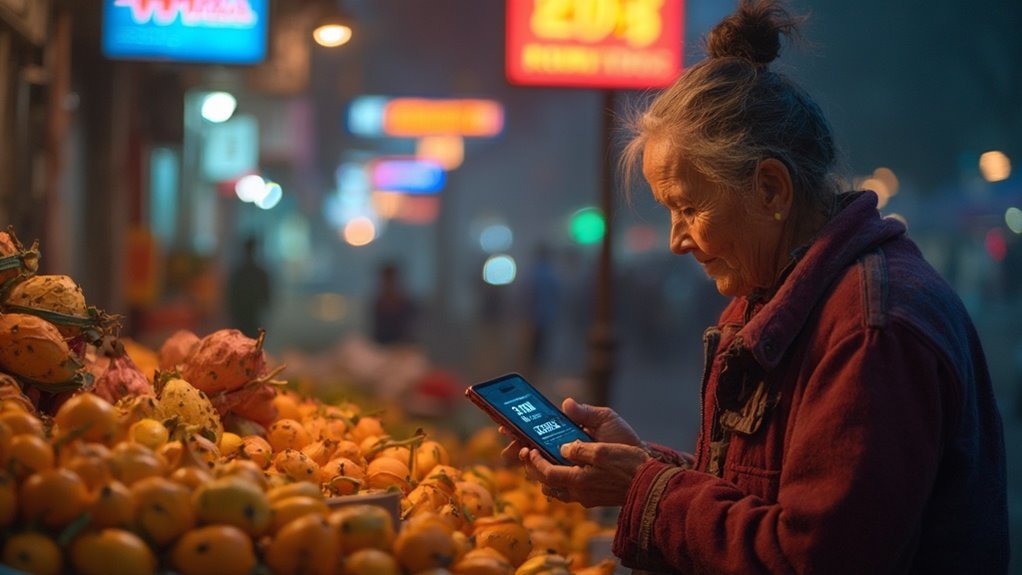
Morning markets worldwide face intense pressure from supermarket chains and online shopping, yet many have found creative ways to thrive in the digital age. I've witnessed remarkable transformations as traditional vendors embrace creative strategies to stay relevant and competitive.
In Bangkok, I discovered how the Or Tor Kor market created a hybrid model, combining physical stalls with a mobile app for pre-ordering and delivery. In Istanbul's Grand Bazaar, merchants now use social media to showcase their centuries-old craftsmanship to global audiences, turning Instagram followers into international customers.
Some of the most innovative adaptations I've seen include Barcelona's Santa Caterina market, where vendors collaborate on a shared digital platform, offering meal kits featuring products from multiple stalls. In Tokyo's Tsukiji Outer Market, fish vendors live-stream their morning auctions, attracting both local chefs and curious tourists.
What's fascinating is how these markets maintain their traditional essence while evolving. They're proving that survival isn't just about competing with modern retail – it's about creating unique experiences that supermarkets can't replicate.


