The Rise of Artisanal Coffee Roasters in Small Towns

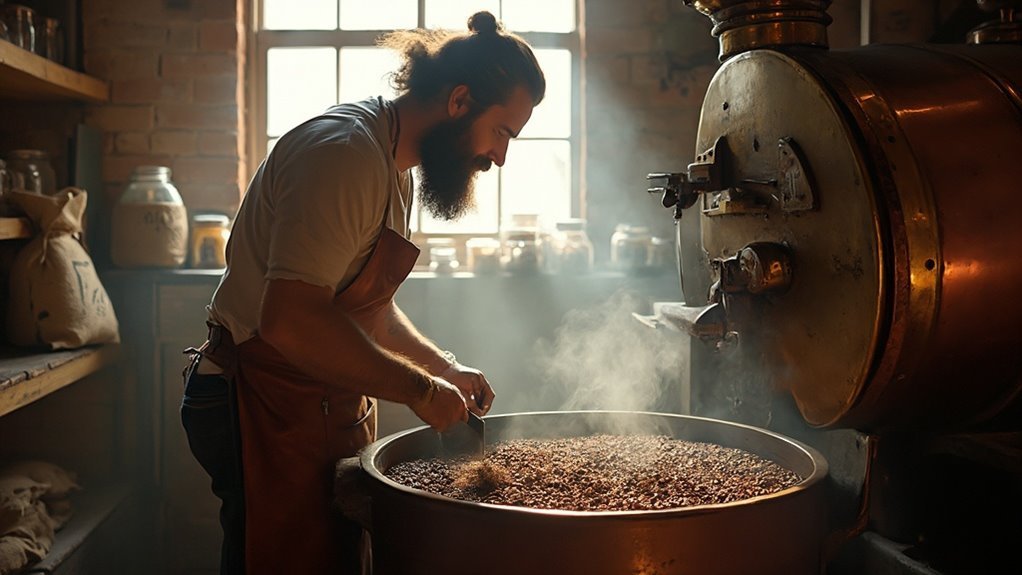
I've noticed a fascinating trend sweeping across rural America: artisanal coffee roasters are breathing new life into forgotten main streets. These small-town roasters aren't just serving up premium coffee – they're creating vibrant community hubs where people gather, collaborate, and connect. By partnering with local farmers, championing sustainable practices, and perfecting their craft through manual roasting techniques, they're transforming vacant storefronts into destinations. The impact extends beyond the cup, creating jobs, attracting tourists, and inspiring neighboring businesses. Let's explore how these passionate coffee craftspeople are reshaping the heart and soul of small-town America.
Brewing Change in Rural America
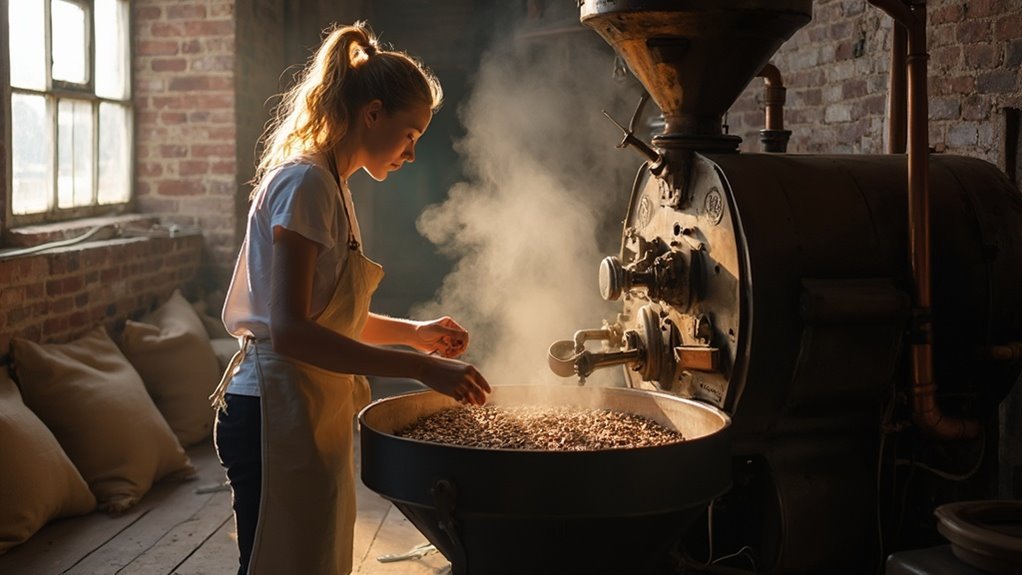
Small-town coffee roasters are transforming sleepy Main Streets into vibrant community hubs across rural America. I've watched these artisanal businesses breathe new life into forgotten storefronts, creating spaces where locals gather and visitors discover unexpected sophistication in America's heartland.
These businesses are also championing sustainable agriculture, often partnering with local farmers to compost coffee chaff and grounds. They're inspiring neighboring businesses to embrace environmentally conscious practices, creating a ripple effect throughout their communities.
What excites me most is how these roasters are reshaping local economies. They're establishing direct relationships with coffee farmers worldwide while building a skilled labor pipeline in their own backyards. I've seen high school graduates find careers as roasters, baristas, and quality control specialists – jobs that didn't exist in their towns five years ago.
When you visit these rural roasteries, you'll find more than just excellent coffee – you'll discover economic innovation in action. They're proving that small towns can compete in the specialty coffee market while creating meaningful employment opportunities and fostering community pride.
From Bean to Community
The journey of a coffee bean extends far beyond the roasting process, creating lasting connections within rural communities. I've witnessed how small-town roasters transform from simple businesses into vital community hubs, where craft roasting techniques become conversation starters and sustainable sourcing practices spark local activism.
When I visit these rural roasteries, I'm struck by how they're reshaping main streets and mindsets. You'll find farmers discussing crop rotation with roasters who understand the importance of soil health, while tech entrepreneurs brainstorm over pour-overs. These spaces aren't just about coffee – they're incubators for regional innovation.
I've seen firsthand how roasters' commitment to quality ripples through the community. Local bakeries create custom pastries to pair with specific roasts, artists design packaging that tells regional stories, and schools partner with roasters for hands-on lessons in global commerce. When you support these artisanal businesses, you're not just buying coffee; you're investing in a network of relationships that strengthens rural economies and builds bridges between producers and consumers.
Quality Over Convenience
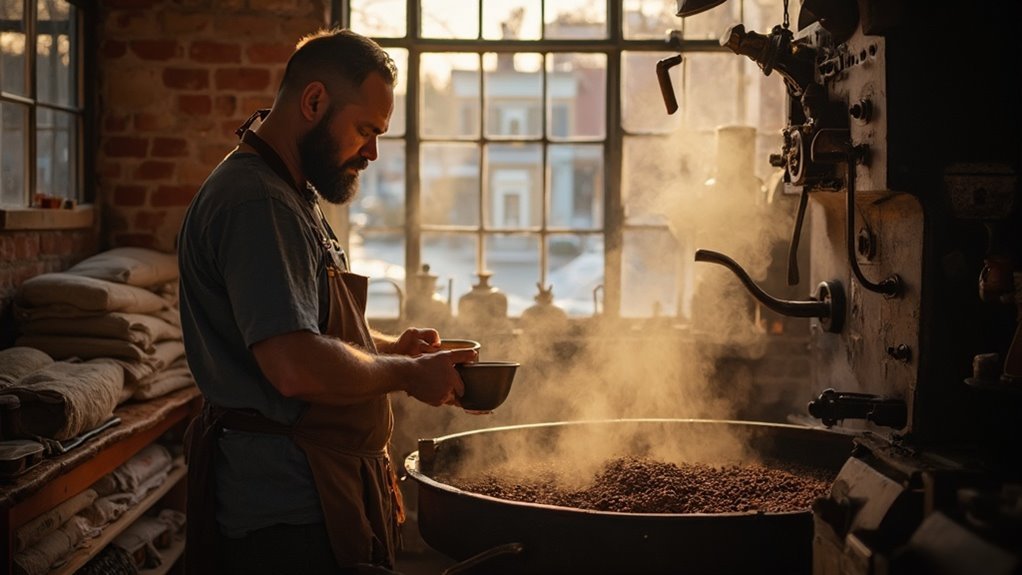
Why do artisanal roasters choose to forgo automated efficiency for time-intensive manual processes? I've found that it comes down to an unwavering commitment to craft and flavor.
When I visit small-batch roasters, I witness their dedication to monitoring each batch by sight, sound, and smell – something machines simply can't replicate.
These artisans understand that their customers' premium purchasing power isn't just about buying expensive coffee; it's about investing in an experience that mass production can't deliver.
I've seen roasters spend hours perfecting their craft, adjusting temperatures and timing to bring out subtle flavor notes that would be lost in automated systems.
What's fascinating is how this pursuit of artisanal authenticity creates better coffee and deeper connections.
When I watch roasters hand-sort beans or manually log roasting profiles, I'm seeing quality control that automated systems can't match. They're not just making coffee; they're preserving an art form.
This approach might be slower and more labor-intensive, but it results in coffee that tells a story – one of patience, expertise, and an uncompromising dedication to excellence.
Local Economic Impact
Beyond creating exceptional coffee, artisanal roasters generate substantial ripple effects throughout their local communities. When I examine successful roasters in small towns, I see how they're diversifying local economy structures by creating jobs that span multiple skill sets – from roasting specialists to café staff and distribution teams. They're not just selling coffee; they're building sustainable growth models that benefit entire neighborhoods.
I've noticed how these businesses attract coffee tourists, who then spend money at nearby shops and restaurants. Local roasters often collaborate with other small businesses, creating specialty blends for restaurants or partnering with bakeries for café offerings. They're also driving commercial real estate development, transforming vacant storefronts into vibrant community spaces.
What excites me most is watching how artisanal roasters become catalysts for entrepreneurial growth. They inspire other specialty food businesses to open nearby, creating micro-districts that boost property values and tax revenues. By prioritizing local sourcing and reinvesting profits within the community, these roasters establish themselves as anchors of economic resilience and sustainable development.
Beyond the Coffee Chain
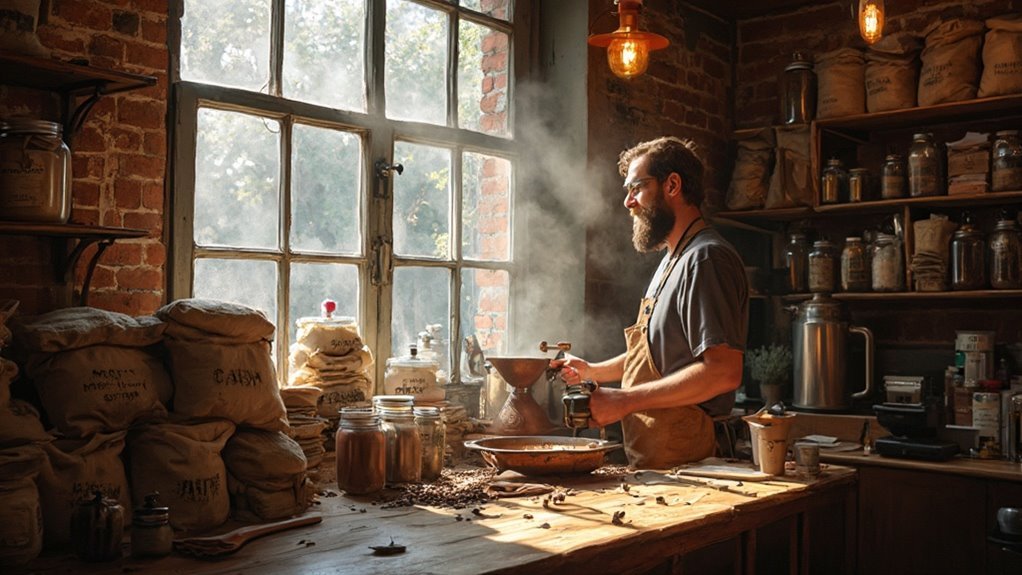
While major coffee chains dominate many street corners, artisanal roasters offer something fundamentally different – an intimate connection to coffee's journey from seed to cup. I've watched firsthand as these independent roasters create spaces that transcend the typical café experience, becoming hubs of craft culture where coffee expertise meets community engagement.
What I find fascinating is how artisanal roasters are reshaping our relationship with coffee. They're not just selling beverages; they're educating customers about origin stories, roasting techniques, and brewing methods. Through cupping sessions and workshops, they're transforming casual drinkers into informed enthusiasts who appreciate the nuances of specialty blends.
Beyond serving coffee, these roasters are pioneering sustainability initiatives, fostering direct trade relationships with farmers, and supporting local artists and musicians. I've seen them collaborate with chocolatiers, bakers, and other artisans to create unique food pairings and events. They're proving that coffee can be a catalyst for broader cultural experiences, pushing boundaries beyond what traditional chains offer and creating spaces where innovation and tradition coexist meaningfully.


