Coffee Shop Culture in the Digital Age

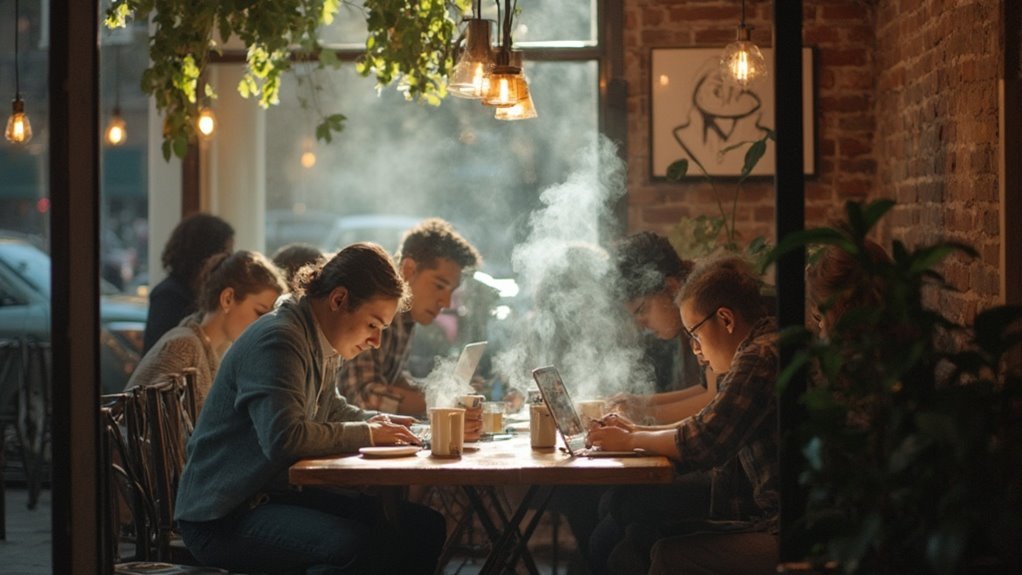
I've watched coffee shops transform from simple cafes into dynamic digital-age hubs that blend traditional charm with modern needs. Today's coffee houses serve as extensions of our work and living spaces, complete with high-speed WiFi, power outlets, and ergonomic seating. While catering to digital nomads and remote workers, many shops now balance technology with initiatives to preserve genuine human connection, like tech-free zones and community events. They've become essential community anchors where you'll find everything from poetry readings to networking sessions. If you're curious about how these spaces continue evolving, there's an fascinating story of adaptation and innovation to explore.
The Evolution of Coffee Houses
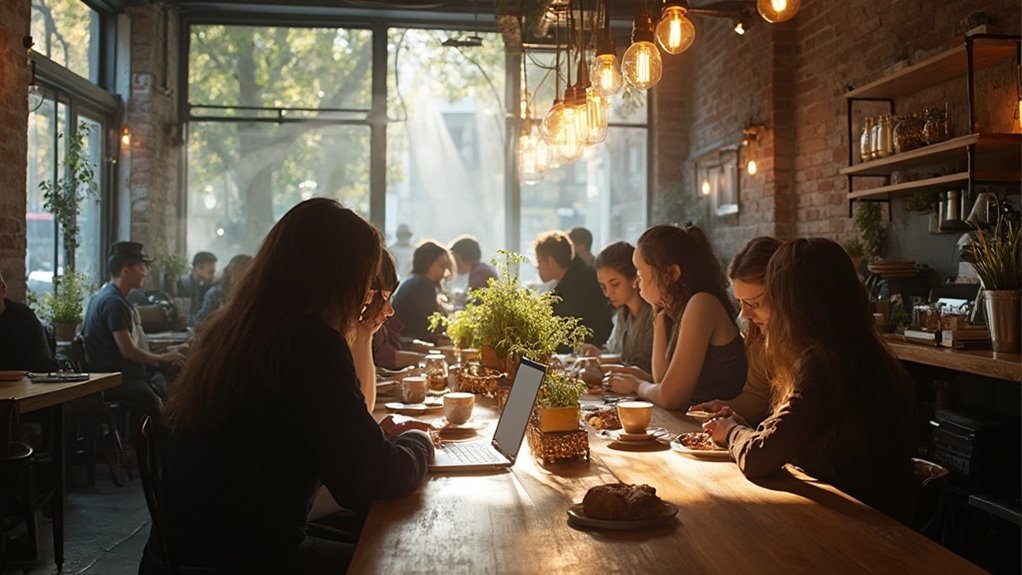
From humble beginnings in 15th century Yemen, coffee houses have transformed from simple meeting spots into cultural institutions that shape our daily lives. I've watched the cafe culture shift dramatically over the past decades, as these spaces evolved from basic beverage stops into multifaceted community hubs.
When I examine today's coffee houses, I see how they've adapted to our modern needs. The evolving cafe amenities now include high-speed WiFi, abundant power outlets, and ergonomic seating designed for extended stays. What was once a quick stop for caffeine has become an extension of our workspaces and living rooms.
I've noticed that successful coffee houses now balance social connection with digital convenience. They're creating zones for different activities – quiet corners for remote workers, communal tables for meetings, and cozy nooks for casual conversations. The modern coffee house serves as a third place between home and office, reflecting our changing work patterns and social habits. This evolution continues as cafes experiment with mobile ordering, contactless payments, and specialized spaces that cater to our increasingly flexible lifestyles.
Digital Nomads and Workspace Culture
Since 2020, I've witnessed coffee shops transform into bustling hubs for digital nomads seeking flexible workspaces. These modern establishments now cater to professionals who blend work and leisure, offering high-speed WiFi, abundant power outlets, and ergonomic seating designed for extended stays.
I've noticed how these spaces have adapted to meet the growing demand for remote work opportunities, creating zones specifically designed for focused work and collaborative meetings. Many coffee shops now offer monthly membership packages, providing dedicated desks and meeting rooms for regular patrons who embrace flexible work schedules.
What fascinates me most is how coffee shop culture has evolved to accommodate this new breed of worker. The traditional quick coffee stop has morphed into a productive workspace where remote workers can spend entire days. From my observations, these spaces foster a unique community where entrepreneurs, freelancers, and corporate remote workers coexist. They've mastered the balance between maintaining the warm, inviting atmosphere of a coffee shop while providing the essential amenities of a professional workspace.
Social Connection Vs Screen Time
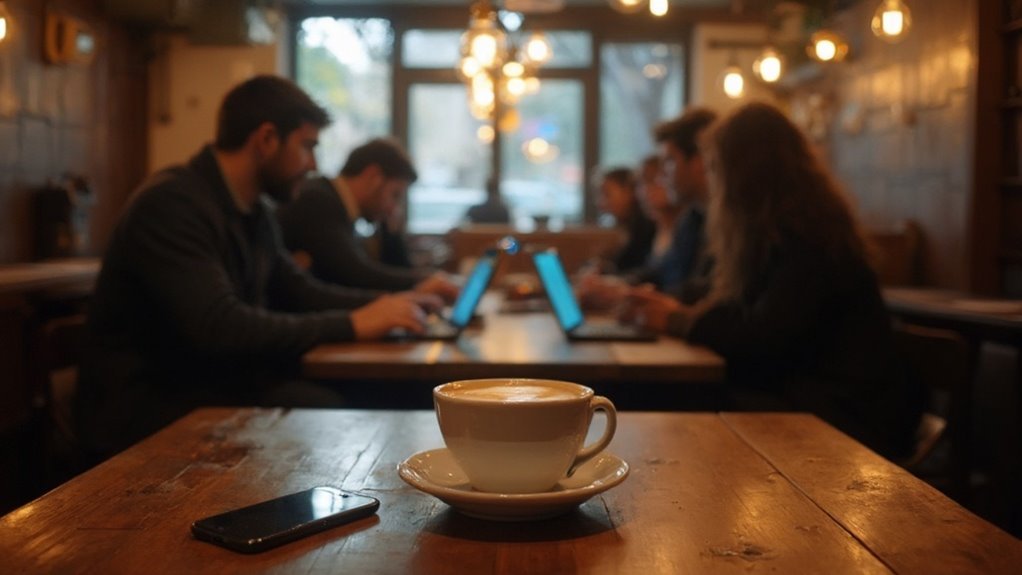
In coffee shops today, I observe a fascinating paradox between digital connectivity and real-world interactions. While laptops and smartphones dominate many tables, I'm noticing a growing movement toward intentional disconnecting from devices to foster genuine connections.
I've watched as some cafes now designate "tech-free zones" or host weekly digital detox events, encouraging patrons to engage in shared experiences rather than scroll through social media. These initiatives create spaces where conversations flow naturally, and strangers often become friends over a cappuccino.
What's particularly interesting is how modern coffee shops are adapting to balance both needs. I'm seeing innovative solutions like communal tables with built-in "phone gardens" – designated spots where people voluntarily place their devices to remain present with their companions. Some establishments even offer discounts to customers who participate in device-free hours.
The key isn't about eliminating technology entirely – it's about finding that sweet spot where digital tools enhance rather than hinder human connection. I believe coffee shops are uniquely positioned to lead this cultural shift, creating environments where both online and offline interactions can meaningfully coexist.
Coffee Shop Design and Technology
Modern coffee shop architecture reflects this ongoing balance between digital and analog experiences. I've noticed how today's cafes strategically integrate technology while preserving the warmth of traditional coffee culture. From USB ports seamlessly built into communal tables to wireless charging stations disguised within rustic wooden surfaces, these spaces merge connectivity with comfort.
The lighting design in contemporary coffee shops plays a crucial role in this fusion. I've observed how adjustable LED systems create different zones – bright areas for laptop work and dimmer, ambient corners for face-to-face conversations. This versatility extends to seating options, where high-backed booths offer privacy for video calls while open-concept lounges encourage spontaneous interactions.
What fascinates me most is how coffee shops are experimenting with smart ordering systems and app-integrated spaces without sacrificing their distinctive atmosphere. Digital menu boards adapt to peak hours, while IoT sensors monitor temperature and noise levels to maintain optimal conditions. Yet these technological additions don't dominate the space – they're thoughtfully integrated to enhance rather than override the fundamental coffee shop experience.
The New Community Hub
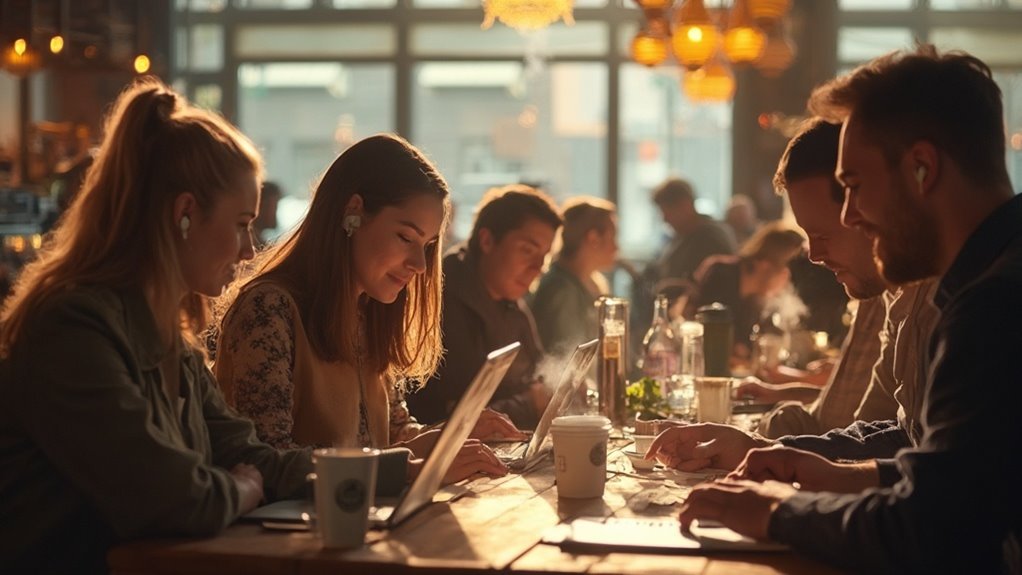
Coffee shops have evolved beyond mere beverage vendors into vital social anchors for neighborhoods and cities. I've watched as these spaces have transformed into dynamic hubs where people don't just grab their morning coffee – they build relationships, launch startups, and forge creative partnerships.
What I find fascinating is how today's coffee shops are reimagining sustainable revenue models through community programming. I'm seeing shops host everything from poetry readings and art exhibitions to coding workshops and business networking events. These aren't just nice-to-have additions; they're essential components that strengthen local ties and create lasting customer loyalty.
I've observed that successful coffee shops now function as flexible spaces that adapt to their community's needs throughout the day. In the morning, they're filled with remote workers seeking productivity. By afternoon, they transform into meeting spaces for local groups. Come evening, they might feature live music or community discussions. This adaptive approach isn't just about selling coffee – it's about creating a sustainable business model that positions the coffee shop as an indispensable part of urban life, where genuine connections happen naturally.
Finding Balance in Modern Cafes
While these community hubs offer exciting opportunities, they've created new challenges for café owners and customers alike. I've noticed how modern cafes struggle to balance the needs of various patrons – from digital nomads who set up makeshift offices to those seeking mindful relaxation over a simple cup of coffee.
The solution, I believe, lies in thoughtful design and clear expectations. I'm seeing innovative cafes create distinct zones: quiet corners for focused work, communal tables for collaboration, and cozy nooks for casual conversations. Some establish time limits during peak hours or offer membership programs for regular remote workers, ensuring their spaces remain viable as hybrid work environments while preserving the traditional coffee shop experience.
What fascinates me is how the most successful cafes maintain their soul while adapting to modern demands. They're integrating power outlets and high-speed WiFi without letting technology overshadow the warmth of human connection. I've found that the best establishments strike this balance by fostering an environment where both productivity and leisure can coexist, proving that today's coffee shops can honor their traditional roots while embracing contemporary needs.


