Morning Routines Around the World

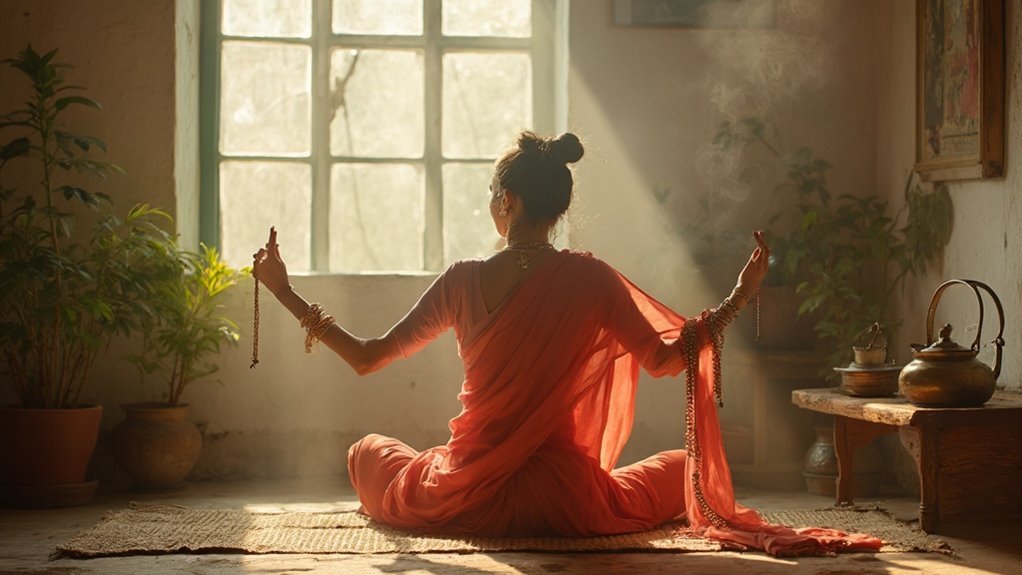
I've discovered that morning routines around the world showcase humanity's rich cultural tapestry. From Japan's kokyu-ho breathing exercises at dawn to Italy's ritual espresso, each culture celebrates daybreak differently. You'll find Chinese elders practicing tai chi in parks, while Scandinavians embrace bracing cold-water plunges. Traditional breakfasts tell their own story – from Asian rice dishes to hearty English fry-ups. These dawn rituals often blend ancient wisdom with modern wellness trends, creating unique practices that honor heritage while adapting to contemporary life. There's a whole world of morning traditions waiting to inspire your own dawn routine.
Cultural Significance of Morning Rituals
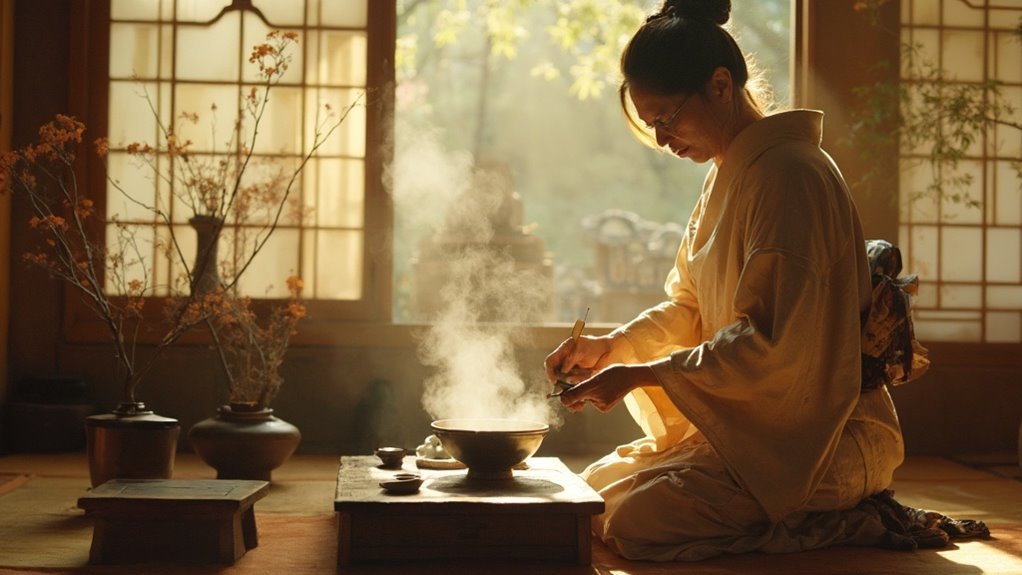
Dawn breaks differently across cultures, yet morning rituals universally shape how people connect with their heritage and community. I've observed how these sacred moments create rhythms that define cultural identity and foster belonging. In many societies, the spiritual significance of sunrise represents renewal, hope, and the cosmic dance between night and day.
I've found that daily meditation practices vary dramatically between regions, yet they serve similar purposes. In Tibet, monks begin their day with prayer wheels and butter tea, while Japanese practitioners might engage in zazen meditation before breakfast. These aren't just habits – they're cultural touchstones that ground people in their ancestral wisdom.
What fascinates me is how modern societies are adapting these traditional morning customs. I'm seeing urban professionals in Seoul blend ancient tea ceremonies with contemporary mindfulness apps, while Indian yoga practitioners livestream their sunrise salutations. These evolving rituals show us that cultural morning practices aren't static – they're living traditions that adapt while preserving their essential meaning. Through these morning ceremonies, I've learned that we maintain our cultural connections even as we innovate our daily routines.
Traditional Breakfast Across Continents
After completing their morning rituals, people worldwide gather to enjoy distinctly regional first meals of the day. I've discovered that traditional morning meal preparation varies dramatically across continents, reflecting local ingredients and cultural values.
In Asia, I've observed that breakfast often features rice, like China's congee or Japan's rice with miso soup. You'll find that Southeast Asian countries embrace hot noodle soups as regional breakfast staples, while South Asia gravitates toward flatbreads with spiced vegetables.
European breakfast traditions range from the hearty English fry-up I've encountered to the lighter Mediterranean approach of bread, cheese, and olive oil. When I explore the Americas, I notice how corn-based dishes dominate Latin American mornings, while North Americans often prefer eggs with toast or pancakes.
What fascinates me about African breakfast customs is their diversity – from North Africa's bean-based ful medames to East Africa's mandazi bread. I've learned that Oceania brings unique offerings too, with Australia's iconic Vegemite toast and New Zealand's indigenous Māori breakfast traditions incorporating local ingredients.
Dawn Practices in Asian Countries
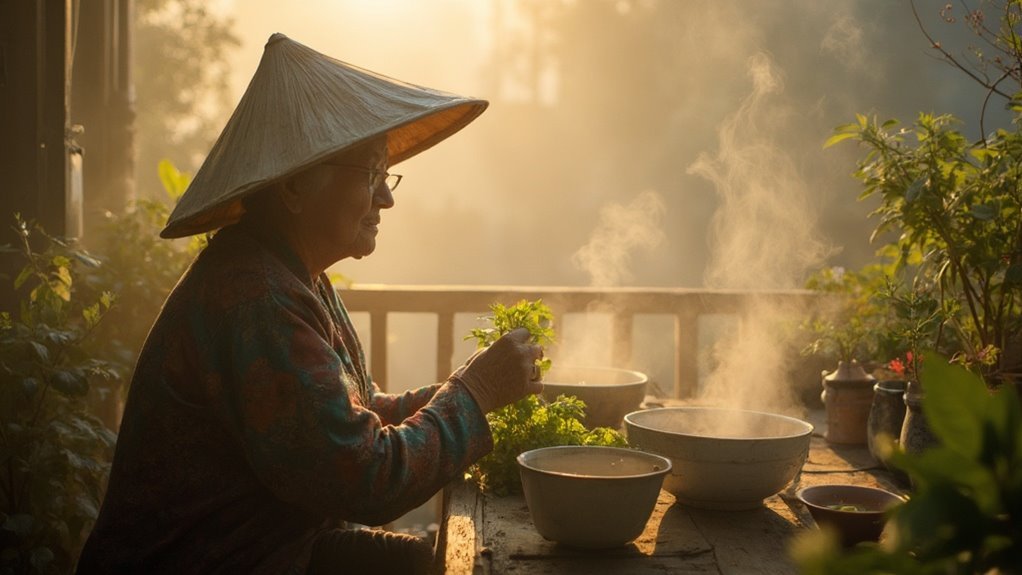
The morning sun reveals diverse spiritual and wellness practices across Asia that begin well before breakfast. I've discovered that in Japan, many people start their day with meditative breathing exercises called "kokyu-ho," which combine gentle movement with controlled breathing patterns to energize both body and mind.
In China, I'm fascinated by how tai chi practitioners gather in parks at dawn, their flowing movements creating a mesmerizing dance between traditional wisdom and modern wellness needs. Meanwhile, in South Korea, I've observed that Buddhist temples come alive at 4 AM with the rhythmic sound of morning chants and meditation.
What's particularly striking is how tea ceremony rituals remain central to morning practices across the region. I've seen how in Japan, the precise movements of preparing matcha create a mindful start to the day, while in China, the first brew of oolong tea is considered essential for mental clarity. In Tibet, butter tea preparation serves both spiritual and practical purposes, helping practitioners adapt to high-altitude mornings while maintaining centuries-old customs that bridge the gap between ancient traditions and contemporary life.
European Morning Customs
When I explore morning rituals across Europe, I find a fascinating mix of enduring traditions and modern adaptations. Each region maintains its distinct approach to starting the day, yet I've noticed common threads that unite the continent's early hours.
Traditional caffeine intake varies significantly from north to south. In Italy, I've observed that standing at a bar for a quick espresso remains sacred, while Scandinavians often linger over multiple cups of filter coffee. The French typically pair their café au lait with fresh pastries, creating a more leisurely start.
Common morning hygiene practices also reflect cultural values. Germans usually prefer morning showers, while in Britain, I've found that many still favor evening bathing. Mediterranean cultures often incorporate face washing and teeth brushing before consuming anything – a practice tied to ancient health beliefs.
I've noticed that regardless of location, Europeans increasingly blend time-honored customs with contemporary wellness trends. They're now adding meditation, morning exercise, or digital detoxes to their traditional routines. Yet they're managing to preserve their cultural identity while embracing these modern elements, creating a uniquely European approach to starting the day.
Global Wake-Up Wellness Habits
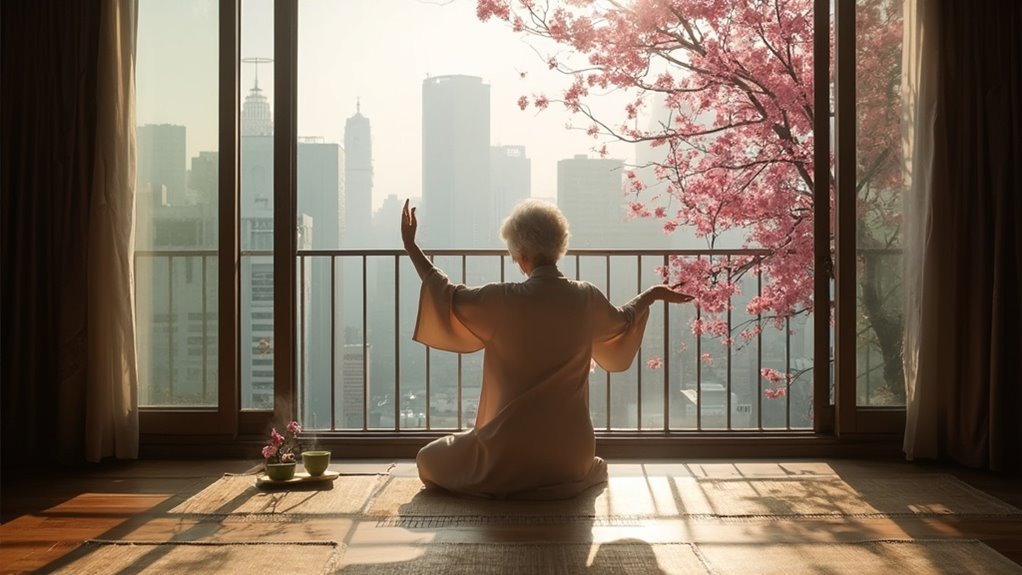
Discovering wellness habits across continents reveals how different cultures prioritize health in their morning routines. I've found that starting the day mindfully has become a universal language of well-being, transcending geographical boundaries and cultural differences.
In Japan, I've observed the practice of "forest bathing" or shinrin-yoku, where people begin their day with nature walks. Meanwhile, in India, morning meditation practices often involve sun salutations and pranayama breathing exercises before sunrise. I've noticed that Scandinavian countries emphasize cold-water immersion, with many people taking brisk morning dips in lakes or the sea to boost circulation and mental clarity.
Traditional Chinese medicine influences East Asian morning wellness routines, where I see people practicing tai chi in parks and sipping hot water with medicinal herbs. In South American countries, I've discovered that community-based morning exercise classes in public squares help foster both physical health and social connections. These global practices remind me that wellness isn't a one-size-fits-all concept, but rather a personalized journey influenced by cultural wisdom and modern science.


