Sustainable Breakfast Choices for a Better Planet

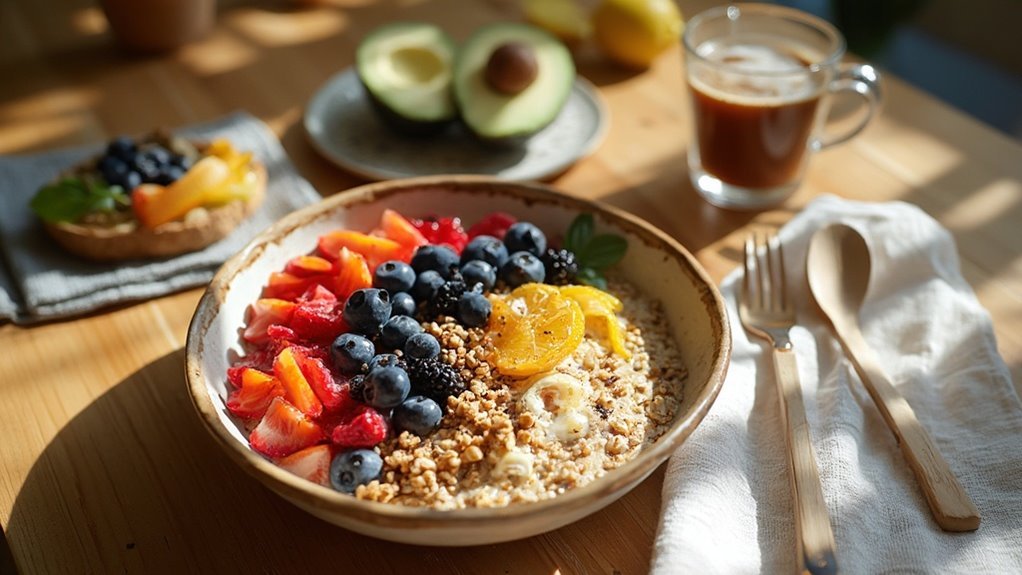
I'll help you make your breakfast routine more eco-friendly with simple, sustainable swaps. Start by choosing plant-based proteins like tofu scrambles or pea-protein sausages instead of traditional meat options. Shop locally for seasonal ingredients, and store them in reusable containers to eliminate single-use packaging. Opt for fair-trade coffee with a reusable filter, and choose locally roasted beans when possible. By prioritizing ingredients from nearby farms and reducing food miles, you'll cut your breakfast's carbon footprint by up to 70%. Let's explore how these mindful choices can transform your morning ritual into a planet-friendly feast.
Plant-Based Protein Alternatives

Why settle for traditional breakfast proteins when plant-based options offer sustainable and nutritious alternatives? I've discovered that making the switch to plant-based proteins at breakfast isn't just good for the environment – it's an opportunity to explore exciting new flavors and textures. From tempeh strips to chickpea scrambles, I'm continually amazed by the variety available.
I've found that plant-based dairy options like oat milk, almond yogurt, and cashew cheese deliver impressive protein content while reducing my carbon footprint. When I'm craving a heartier breakfast, meat-free sausages made from pea protein or mushrooms provide that satisfying savory element without the environmental impact of traditional meat products.
My favorite protein-packed breakfast combinations include tofu scramble with turmeric and black salt, which perfectly mimics eggs, topped with avocado for healthy fats. I also regularly enjoy quinoa breakfast bowls loaded with nuts and seeds, or smoothies fortified with hemp protein. These alternatives not only match or exceed the protein content of conventional breakfast foods but also introduce diverse nutrients while supporting a more sustainable food system.
Seasonal and Local Ingredients
Throughout the year, I make it a priority to incorporate seasonal and local ingredients into my breakfast routine. I've discovered that focusing on seasonal produce selection not only enhances the flavor of my meals but also significantly reduces the environmental impact of my food choices. By purchasing from local farmers who employ organic farming practices, I'm supporting sustainable agriculture while getting the freshest ingredients possible.
I've learned to adapt my breakfast menu based on what's available each season. In spring, I enjoy fresh asparagus in my omelets and locally foraged mushrooms on whole-grain toast. Summer brings an abundance of berries for my overnight oats and fresh herbs for my scrambled eggs. Fall offers sweet potatoes for breakfast hash and crisp apples for my morning smoothies. Even in winter, I can find local greenhouse lettuce for green smoothies and stored root vegetables for hearty breakfast bowls. I track what's in season using local harvest calendars and building relationships with farmers at my weekly market. This approach has transformed my breakfast from a routine meal into an environmentally conscious culinary adventure.
Zero-Waste Breakfast Tips

Mindfulness toward waste reduction starts with simple breakfast habits that can make a significant impact. I've discovered that eliminating single use packaging from my morning routine isn't just possible – it's liberating. Instead of buying individual yogurt cups, I now purchase large containers and portion them into reusable jars. I store homemade granola in airtight containers, which saves money and reduces plastic waste.
I've revolutionized my approach to food storage by investing in beeswax wraps for bread and cheese, replacing disposable plastic wrap and bags. For fruit and vegetables, I use mesh produce bags at the store and transfer them to dedicated crisper containers at home. When composting breakfast scraps, I collect coffee grounds, eggshells, and fruit peels in a countertop bin, transforming potential waste into nutrient-rich soil for my garden. Even tea leaves find new life in my compost bin.
Smart Coffee Choices
Responsibility in coffee consumption extends beyond just choosing organic beans. When I select my morning coffee, I focus on ethical sourcing and the entire sustainability chain. I've learned that my choices directly impact farming communities and ecosystems worldwide.
I always check for certifications that verify fair trade practices and sustainable farming methods. My favorite brands partner with small-scale farmers, ensuring they receive fair compensation while protecting vital forest habitats. I've switched to buying whole beans and grinding them at home, which reduces packaging waste and keeps my coffee fresher.
I've also discovered that my brewing method matters. I use a reusable filter instead of paper ones and collect used grounds for composting. For my on-the-go coffee needs, I carry a thermal mug that keeps my beverage hot for hours, eliminating the need for disposable cups.
When hosting friends, I serve coffee from local roasters who prioritize direct trade relationships with farmers. This not only supports our community but ensures transparency in the supply chain. It's about making conscious choices that benefit both people and planet.
Reducing Food Miles

Just as I carefully source my coffee beans, I apply the same thoughtful approach to all my breakfast ingredients. I've discovered that reducing food miles isn't just about buying local – it's about making strategic choices that minimize the distance from farm to plate while maximizing nutritional value.
I track my breakfast ingredients' origins using food tracking apps and local supplier directories. When choosing between organic versus conventional produce, I prioritize seasonal items from nearby farms first, even if they're conventional, rather than shipping organic products from thousands of miles away. This approach often leads to a significant carbon footprint reduction.
I've transformed my breakfast routine by replacing distant-sourced items with local alternatives. Instead of imported avocados, I opt for local mushrooms on toast. I swap tropical fruits for seasonal berries and apples from nearby orchards. I've connected with community-supported agriculture programs that deliver fresh eggs and dairy products directly from regional farms. By making these switches, I've cut my breakfast's transportation emissions by roughly 70% while supporting local food systems.
Mindful Food Storage
Storing breakfast ingredients properly can extend their shelf life and reduce food waste significantly. I've learned that organizing my refrigerator strategically makes a huge difference in how long my food stays fresh. I keep eggs in their original carton on a middle shelf, not in the door where temperatures fluctuate.
For fruits and vegetables, I use specialized containers with proper ventilation to maintain optimal humidity levels.
I've adopted several food preservation methods that help me maximize ingredient longevity. I freeze ripe bananas for smoothies, store bread in airtight containers, and keep nuts in the refrigerator to prevent rancidity. I also measure proper portion sizes before freezing items like berries or homemade pancake batter, which prevents thawing more than I need.
My pantry now has clear containers that let me monitor cereal, oats, and granola levels easily. I label everything with purchase dates and expected shelf life. This system helps me use ingredients before they spoil and plan my shopping more effectively. By storing breakfast foods mindfully, I've cut my food waste by half and saved money while maintaining freshness.


